
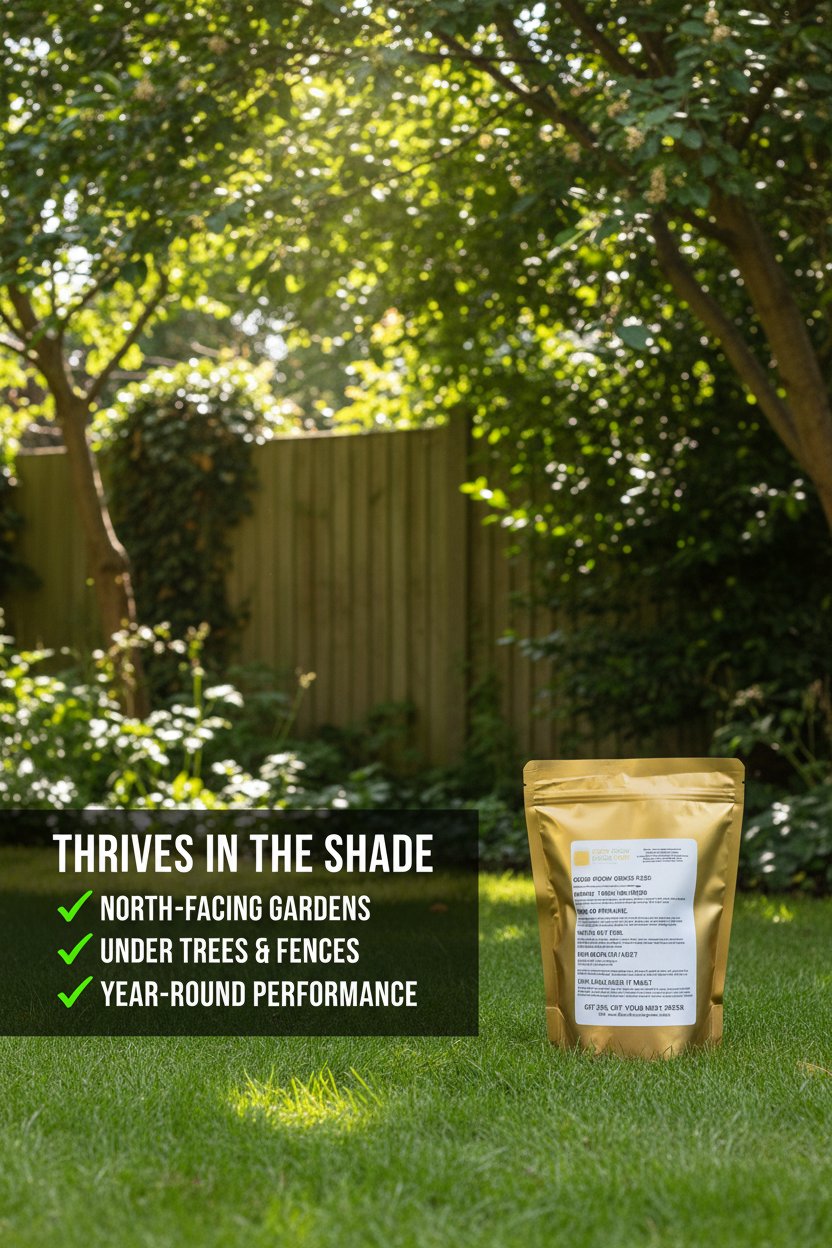
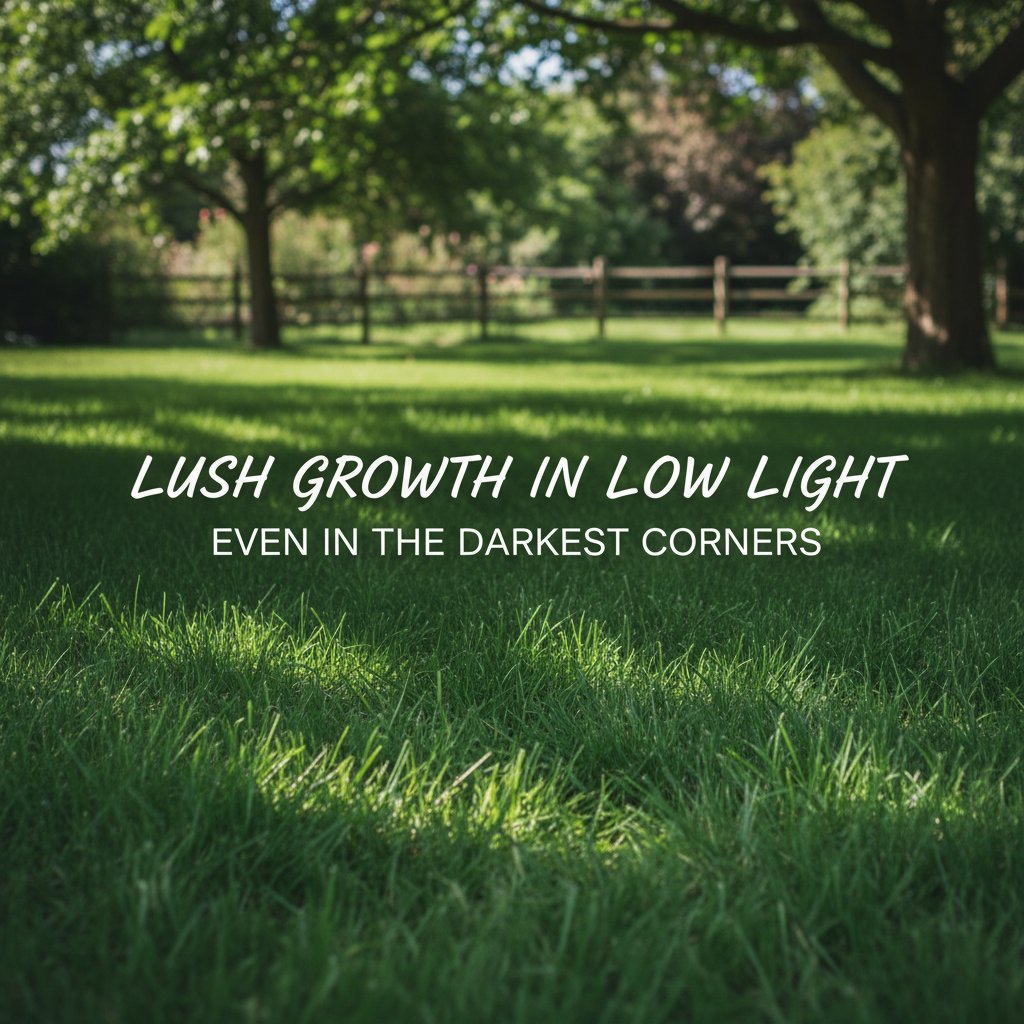
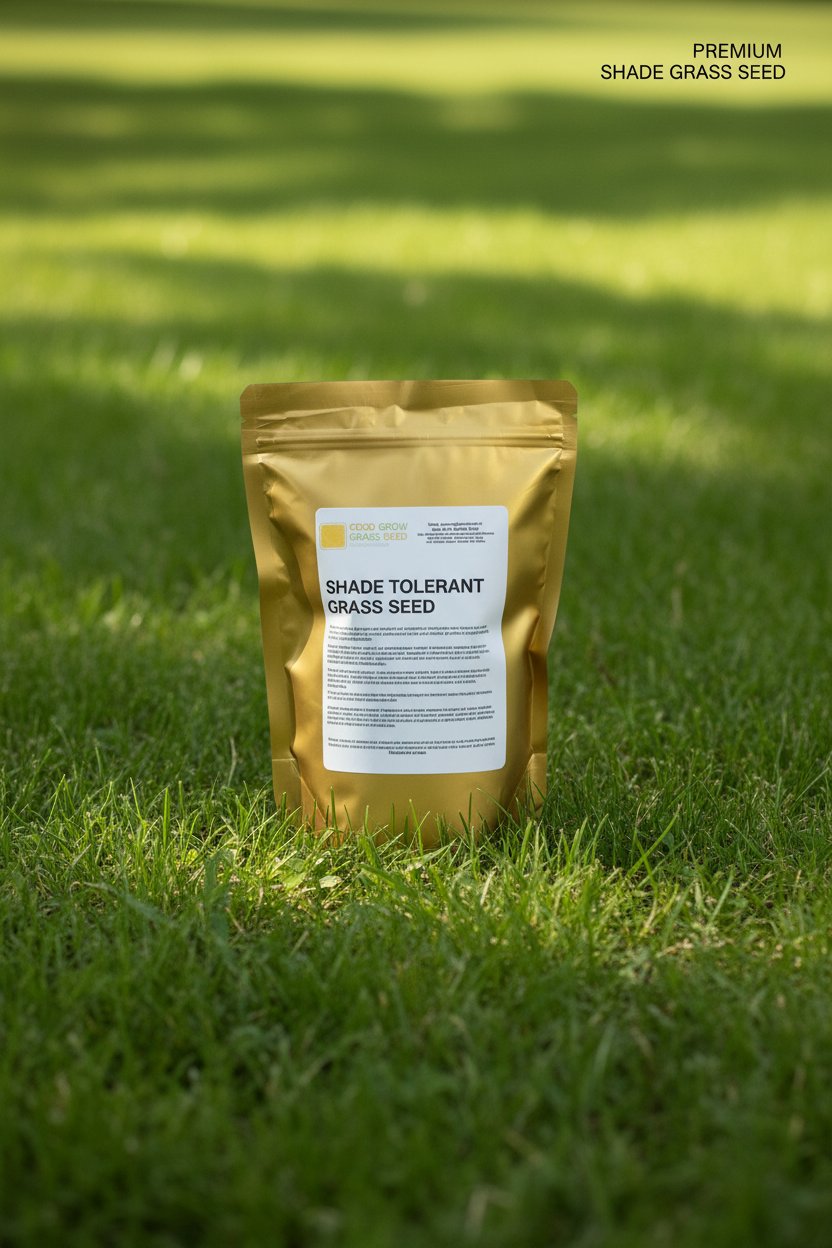
That dark corner where nothing grows? Challenge accepted.
Every garden has one. The strip along the fence that’s in shadow all day. The patch under the tree. The north-facing lawn that barely sees the sun from October to March.
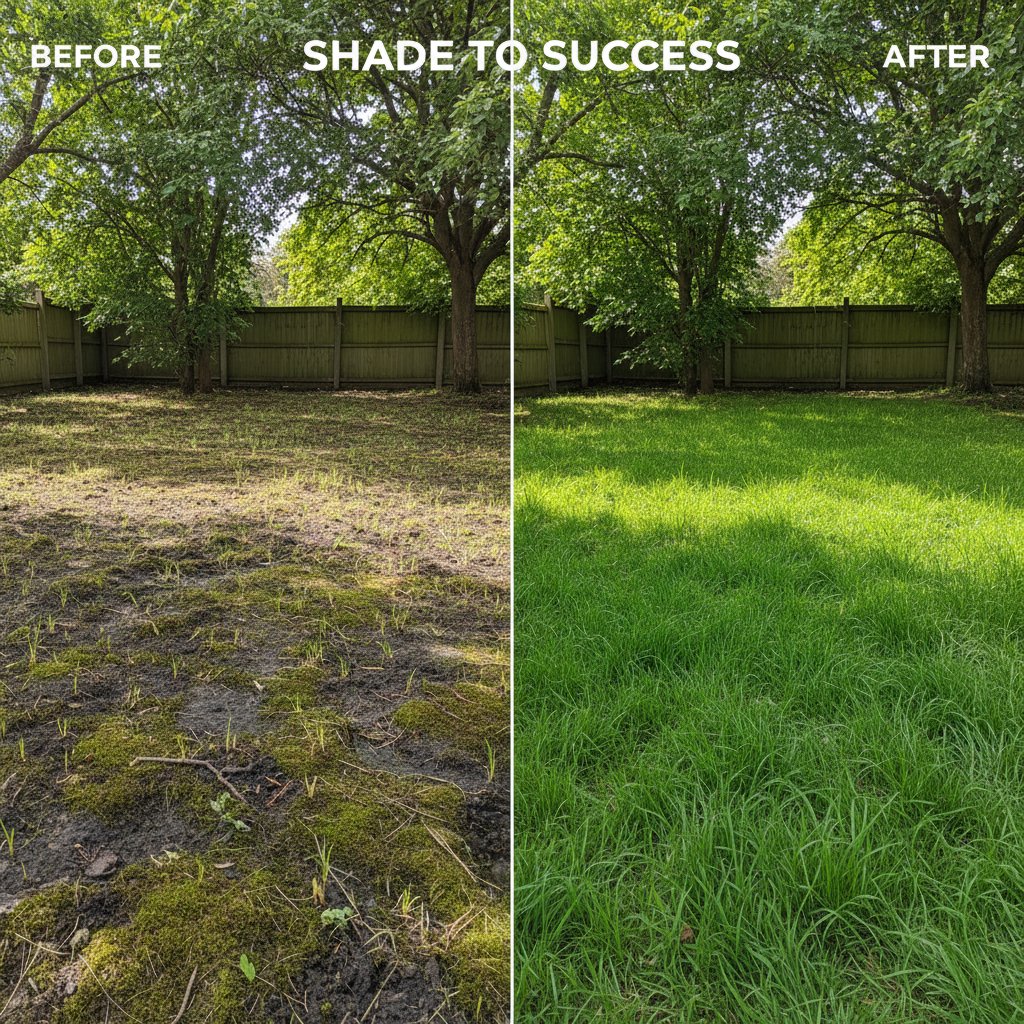
You’ve probably tried “shade tolerant” grass seed before. Maybe it grew… for a while. Then winter came, the light disappeared, and so did your grass. By spring, you were back to bare soil and moss.
Here’s why most shade seed fails:
“Shade tolerant” usually means “can handle a bit less sun than normal.” That’s fine for dappled shade or areas that get a few hours of light. But for genuine deep shade, the kind cast by buildings, solid fences, and evergreen trees, you need something tougher.
Deep Shade Survivor contains grass varieties selected specifically for extreme low-light conditions. We’re talking the species used on shaded golf tees, woodland edges, and north-facing commercial landscapes where failure isn’t an option.
What makes this different:
Genuine shade specialists – Not just standard grass with “shade tolerant” on the label. These varieties photosynthesise efficiently in low light and have adapted to thrive where others merely survive.
Winter persistence – The real test of shade grass isn’t summer (when even difficult areas get some light). It’s winter, when day length drops and light levels plummet. This blend is selected for year-round density.
Dense growth habit – Sparse grass in shade is a moss magnet. Deep Shade Survivor forms a tight sward that leaves no room for moss to establish.
Be realistic (we will be):
No grass grows in complete darkness. If your area gets zero natural light, you’re looking at alternative ground cover, not grass seed. But if there’s ambient light, even indirect, this blend will give you the best possible chance of success.
For areas with heavy shade from trees, you may need to overseed each spring as the canopy leafs out. That’s normal for challenging conditions, and a small price for turning a problem area into actual lawn.
Perfect for:
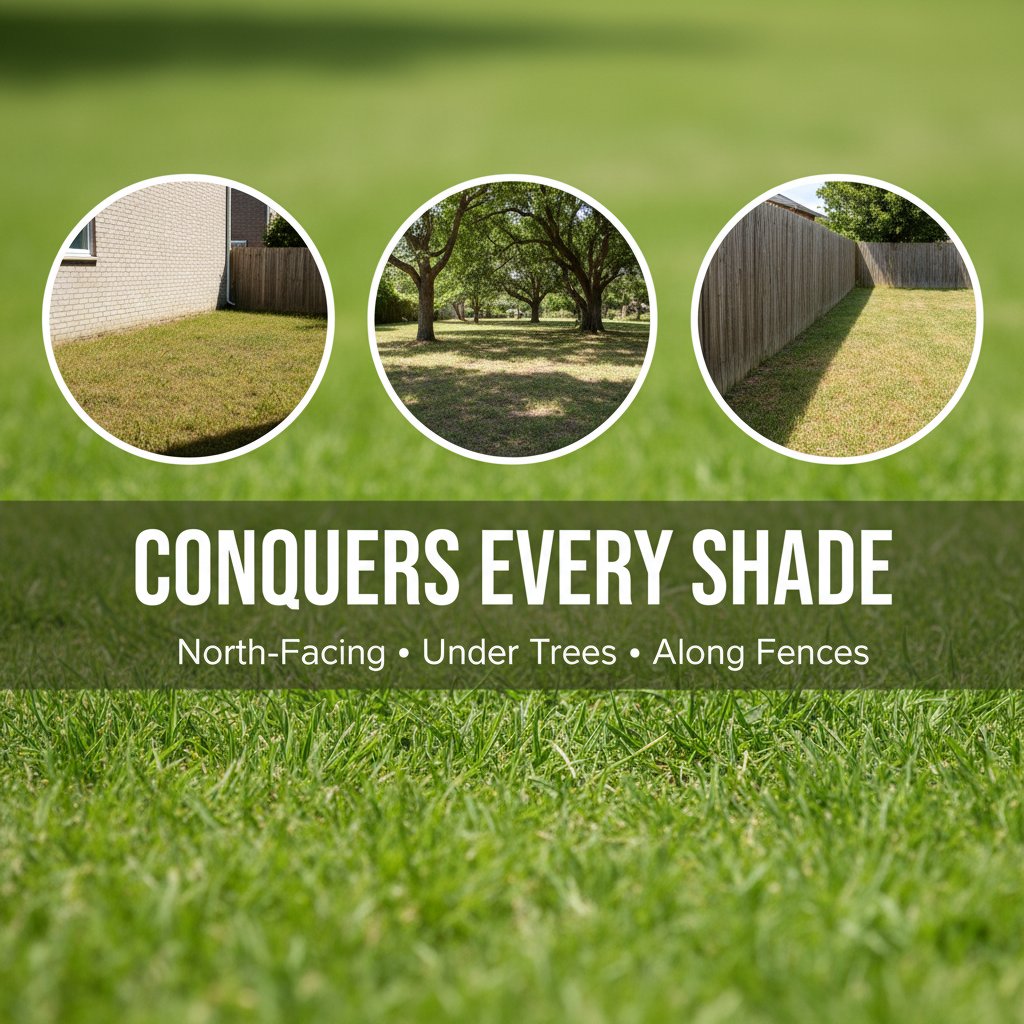
- North-facing gardens
- Areas shaded by buildings or walls
- Under deciduous trees (sow before leaves emerge)
- Fence lines and boundary edges
- Any area that gets less than 3-4 hours of direct sun
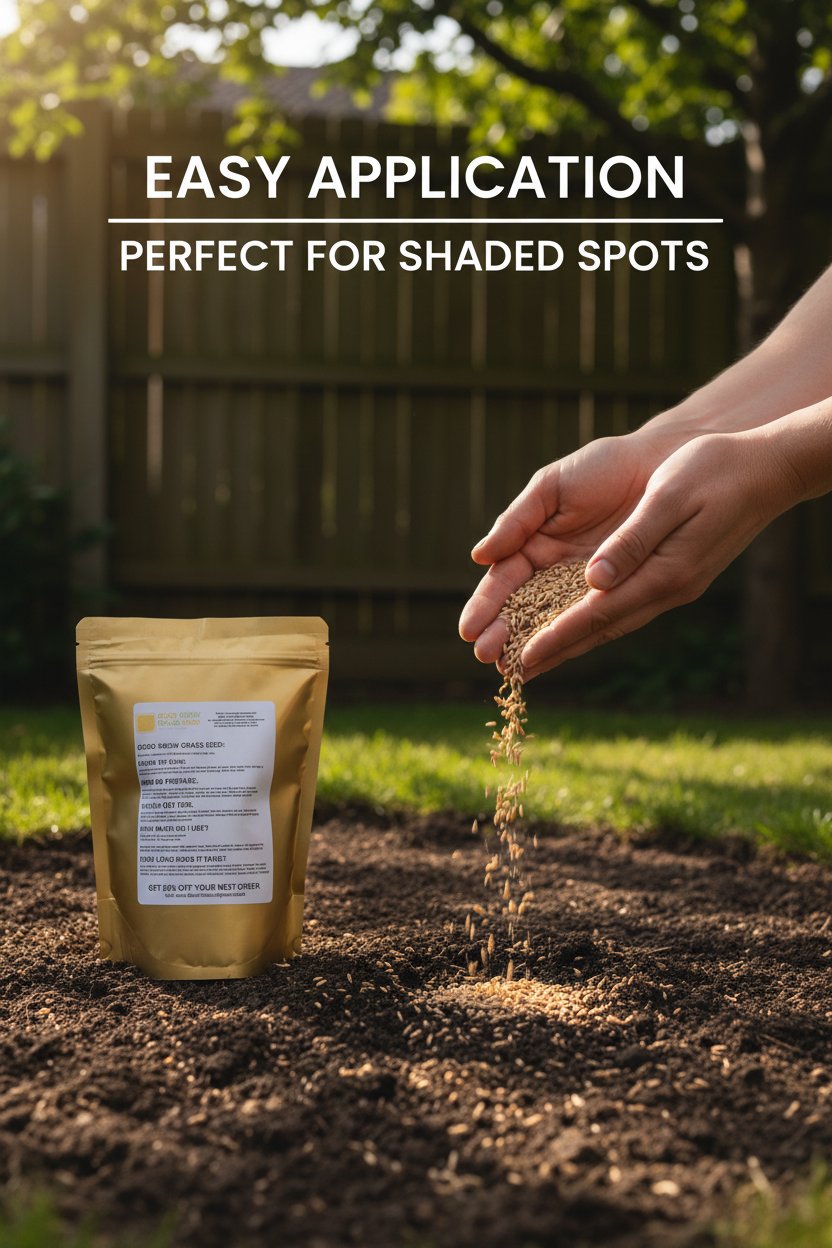
How to use:
- If under trees, clear fallen leaves and debris
- Rake to create a fine seedbed
- Sow at the recommended rate, don’t over-seed
- Water regularly until established (shaded areas dry out slower, so check before watering)
Pro tip: Sow in early spring before deciduous trees leaf out, or in early autumn when light levels are still reasonable. This gives the grass time to establish while conditions are slightly easier.
Stop fighting your garden’s conditions. Work with them.
Key Specifications
| Germination time | 14 to 21 days |
| Sowing rate (overseeding) | 25 to 35g per m² |
| Sowing rate (bare soil) | 35 to 50g per m² |
| Best sowing window | Early spring (before leaf canopy) or early autumn |
| Min soil temperature | 10°C+ |
| Full establishment | 6 to 8 weeks |
| Recommended mowing height | 5 to 7cm (higher than sunny areas) |
| Pet safe | Yes, after establishment |
 Shade Tolerant Grass Seed | For North-Facing & Low-Light Gardens
| 5 star | 73% | |
| 4 star | 27% | |
| 3 star | 0% | |
| 2 star | 0% | |
| 1 star | 0% |


Sowed this along the side return of my house which gets virtually no direct sunlight from October through to March. Most shade seed I have tried before just dies off over winter and you are left with mud. This has stayed dense and green right through. Really pleased with how it has held up in the cold months.

Our front garden faces north and only gets a couple of hours of direct sun in midsummer. It was always thin and patchy. Sowed Good Grow in September and by November had a thick even lawn that looked better than it ever has. It has come through winter looking strong too. Very happy with the result.

Bought this specifically for the strip between our house and the boundary wall. It is about a metre wide and gets almost no sun at all. Six months later and it is still green and thick. Have not seen it thin out over autumn or winter which is what usually happens with shade grass. Solid product.

I will be honest it took longer to germinate than I expected. Around three weeks before I saw much happening and I was starting to worry. But once it got going the growth was strong and even. The grass is fine textured and a nice deep green. If you are sowing in heavy shade just be patient and keep it watered.

We have a six foot fence along the north side of the garden and nothing would grow within about a metre of it. This seed has completely transformed that strip. Germination was steady rather than fast but the grass that came through is healthy and a lovely dark green. Seems to cope well with the limited light.

Used this under a row of conifers where the soil is dry and shaded. Watered it well for the first few weeks and the germination was decent. Not every seed took but the overall coverage is far better than what was there before which was just bare needles and moss. The grass has a nice fine texture that suits the area well.

My garden is heavily shaded by a neighbour's leylandii hedge. The first application germinated well in the more open areas but the strip right against the hedge was patchy. I overseeded that section and watered more diligently and it has filled in nicely now. Good product but very deep shade needs a bit of persistence and extra seed.

We rent and the garden was in a terrible state with bare patches everywhere especially under the trees and along the shaded borders. Landlord did not care so we took matters into our own hands. Good Grow shade seed has turned it into an actual lawn. Even the area under the silver birch is green now which I did not think was possible.

The patch under our large oak tree has been bare mud for as long as we have lived here. Decided to give Good Grow a try after reading about their shade mix. Cleared the leaves, raked the soil and scattered the seed in early March before the canopy filled in. By mid-April I had a proper carpet of grass where there was nothing before. It thinned slightly once the tree was in full leaf but still looks a hundred times better than bare earth. Will overseed again in spring.

Every garden has that one dark corner where nothing grows. Ours was behind the garage next to the fence. Tried Good Grow Shade Tolerant as a last resort and it actually worked. Took about three weeks to really get going but the coverage is thick and even. Neighbours have asked what I used. Cannot recommend enough.

I have struggled for years with my north-facing back garden. Nothing would grow along the fence line and under the trees. Tried three different shade mixes before this one. Good Grow Shade Tolerant seed actually germinated in areas where everything else failed. Within two weeks I had visible growth even in the darkest corner by the shed. Three months on and it is still thick and green. Genuinely impressed.
Frequently Asked Questions
Q: How much is delivery?
A: Free
Q: How long does delivery take?
A: 1-3 working days
Q: How much shade can this grass actually tolerate?
A: This blend is designed for areas receiving 3-4 hours of direct sunlight or 4-6 hours of dappled/filtered light per day. No grass will grow in complete darkness. If your area gets zero natural light, consider alternative ground cover like bark mulch.
Q: Will this grow under my trees?
A: Yes, it’s specifically formulated for under-tree conditions. However, success depends on the tree type. Deciduous trees (those that lose leaves) are easier. Sow in early spring before leaves emerge or early autumn. Dense evergreens that block all light year-round are more challenging.
Q: My garden faces north and barely sees sun, will this work?
A: North-facing gardens are exactly what this seed is designed for. These areas typically get ambient light even without direct sun, which is sufficient for shade-adapted grass varieties. You may need to overseed annually to maintain density.
Q: How long does it take to germinate?
A: Fine fescue varieties in this blend typically germinate in 14-21 days, slightly slower than standard lawn seed. Be patient, as shade grasses establish more gradually but develop strong root systems.
Q: Should I sow at a different rate in shade?
A: Use the same rate as sunny areas: 25-35g per square metre for overseeding, 35-50g per square metre for bare soil. Don’t over-seed, as this can cause competition issues in low-light conditions.
Q: When is the best time to sow in shaded areas?
A: Early spring (March-April) before deciduous trees leaf out, or early autumn (late August-September) when light levels are still reasonable. Avoid late spring/summer when tree canopy blocks maximum light.
Q: Why does moss keep coming back in my shaded areas?
A: Moss thrives in shade, compacted soil, poor drainage, and acidic conditions. Address these issues alongside seeding: aerate compacted soil, improve drainage, test and adjust soil pH, and maintain dense grass coverage to outcompete moss.
Q: How should I mow grass in shaded areas?
A: Mow higher than sunny areas, at least 5-7cm (2-3 inches). Longer blades capture more light for photosynthesis. Never remove more than one-third of the blade length at once.
Q: Does shade grass need less water?
A: It depends. Shade from buildings means less evaporation, so water less frequently. Shade from trees means grass competes with tree roots for moisture, so you may need to water more. Check soil moisture before watering.
Q: Can I mix this with other grass seed?
A: Yes. Many gardeners blend shade seed with their existing lawn seed for transitional areas that get partial sun. Use a 50:50 mix for areas with mixed light conditions.
Q: Will the grass look different from my sunny lawn?
A: Fine fescue varieties have a slightly finer texture and can appear a different shade of green than ryegrass-based lawns. The difference is usually subtle and blends naturally at boundaries.
Q: My shade grass established but died the following winter, why?
A: This is common with standard “shade tolerant” seed that can’t handle reduced winter light. Our blend is selected specifically for year-round persistence in UK conditions. Ensure good drainage to prevent waterlogging in winter shade.
Worried your garden is too shady?
If it gets any natural light, even just ambient daylight, this blend has the best chance of success. And if it doesn’t work in your conditions, our 30-day guarantee means you’re not stuck with a bag of useless seed. We’ll refund you, simple as that.
💬 Questions? Email us at [email protected]