
Spray Ivy and the Weedkiller Runs Straight Off
That waxy coating on ivy leaves is the problem. Herbicides bead up and drip off before they can be absorbed. You need to break through that defence first – or catch the new growth before the wax hardens.
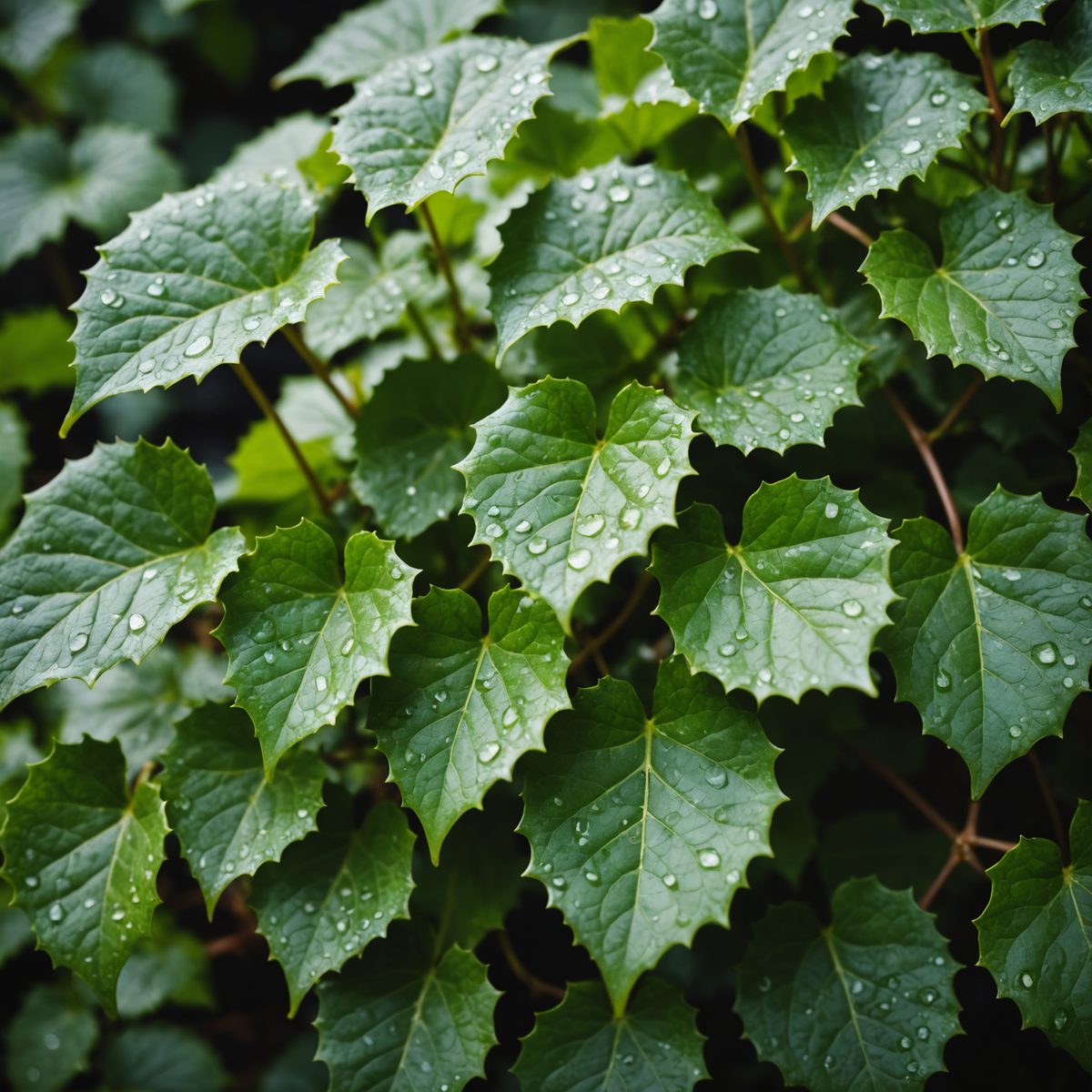
If you’ve ever sprayed ivy and watched the weedkiller bead up and roll off like water off a duck’s back, you’re not imagining things. Ivy leaves are coated in a thick layer of wax – a natural defence that evolved to prevent water loss but also happens to make herbicides almost useless.
This is why so many gardeners give up on ivy. They spray it, nothing happens, and they assume the weedkiller doesn’t work. The weedkiller works fine. It just can’t get through.
Here’s how to break through that waxy armour and kill ivy for good.
Why Ivy Is So Hard to Kill
English ivy (Hedera helix) is an evergreen climber that can grow up to 30 metres, covering walls, fences, trees and ground with equal enthusiasm. It climbs using tiny aerial roots that grip onto almost any surface, and it spreads along the ground by rooting wherever its stems touch soil.
The glossy leaves that make ivy so attractive are also what make it so difficult to control. That shiny surface isn’t just aesthetics – it’s a waxy cuticle that repels water and, unfortunately, herbicides. Spray a mature ivy plant and most of the chemical simply runs off before it can be absorbed.
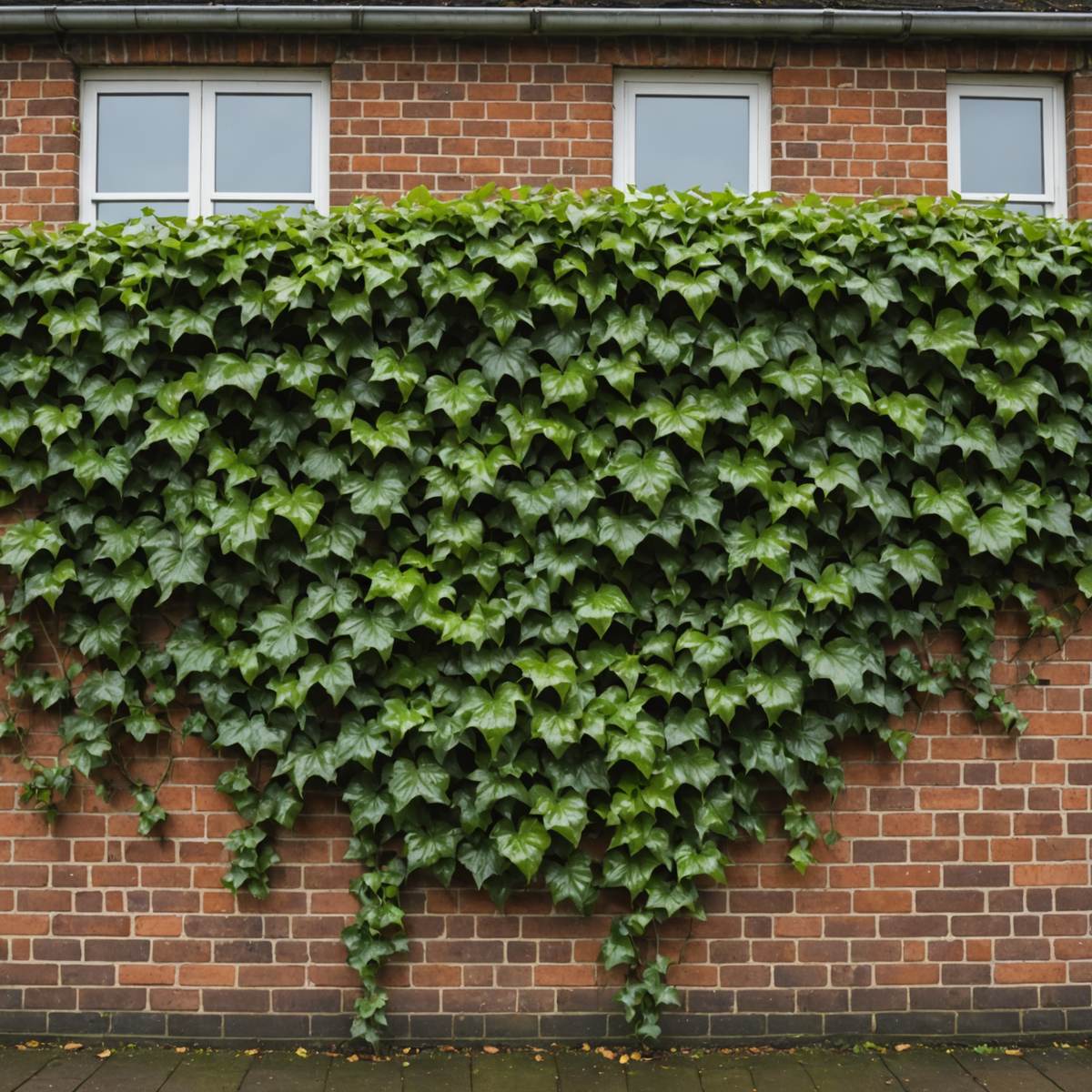
Ivy also has two distinct growth phases. The juvenile form – the familiar lobed leaves – is a vigorous climber. Once it reaches the top of whatever it’s climbing, it switches to a mature form with unlobed, heart-shaped leaves that produce flowers and berries. This mature growth is even tougher and woodier than the juvenile form.
Ivy is one of the most common weeds in UK gardens, often appearing alongside other woody invaders like brambles.
How to Identify Ivy
Most people recognise ivy instantly, but it’s worth confirming before you start treatment. Look for glossy, dark green leaves with three to five pointed lobes and pale veins. The stems start green and flexible but become woody and thick with age – old ivy stems can be as thick as your arm.
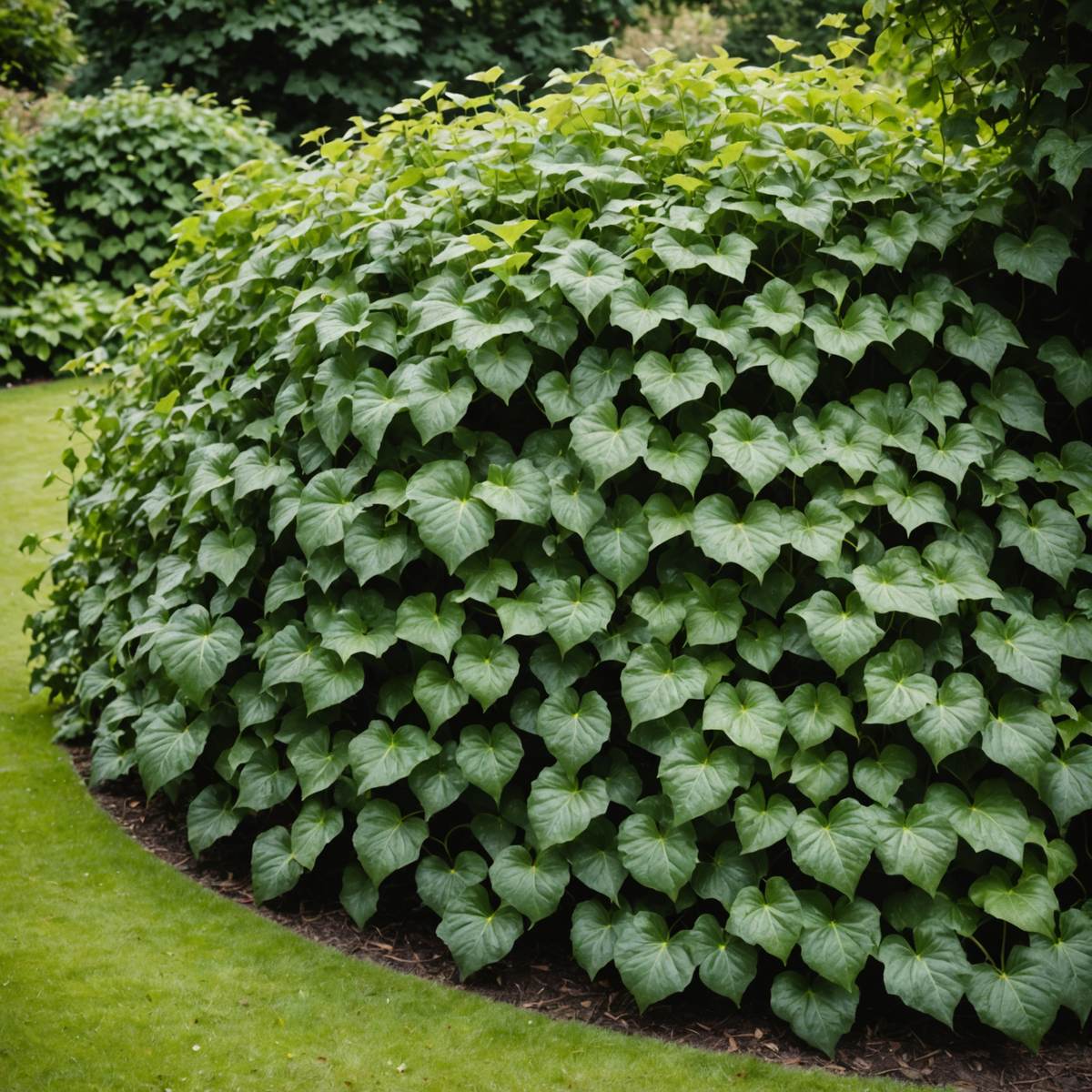
Ivy flowers appear from September to November – small yellowish-green clusters that are surprisingly valuable for late-season pollinators. The black berries that follow are eaten by birds, which is how ivy spreads to new areas. If you see ivy flowering, it’s reached its mature phase.
How to Kill Ivy Permanently
The method you choose depends on where the ivy is growing and how much of it you’re dealing with.
Which Method Should You Use?
- Ivy on walls, fences or trees: Cut stems at the base, treat stumps with weedkiller, wait for it to die, then remove.
- Ivy spreading across the ground: Spray in late spring (May) when new growth is soft, or dig out smaller patches.
- Thick, established ivy with woody stems: Cut and paint stumps with triclopyr-based weedkiller. Glyphosate alone may not be enough.
- Ivy coming through from a neighbour: Cut back to the boundary and treat your side. You cannot treat plants on their property.
Cutting and Treating the Stump (Most Effective Method)
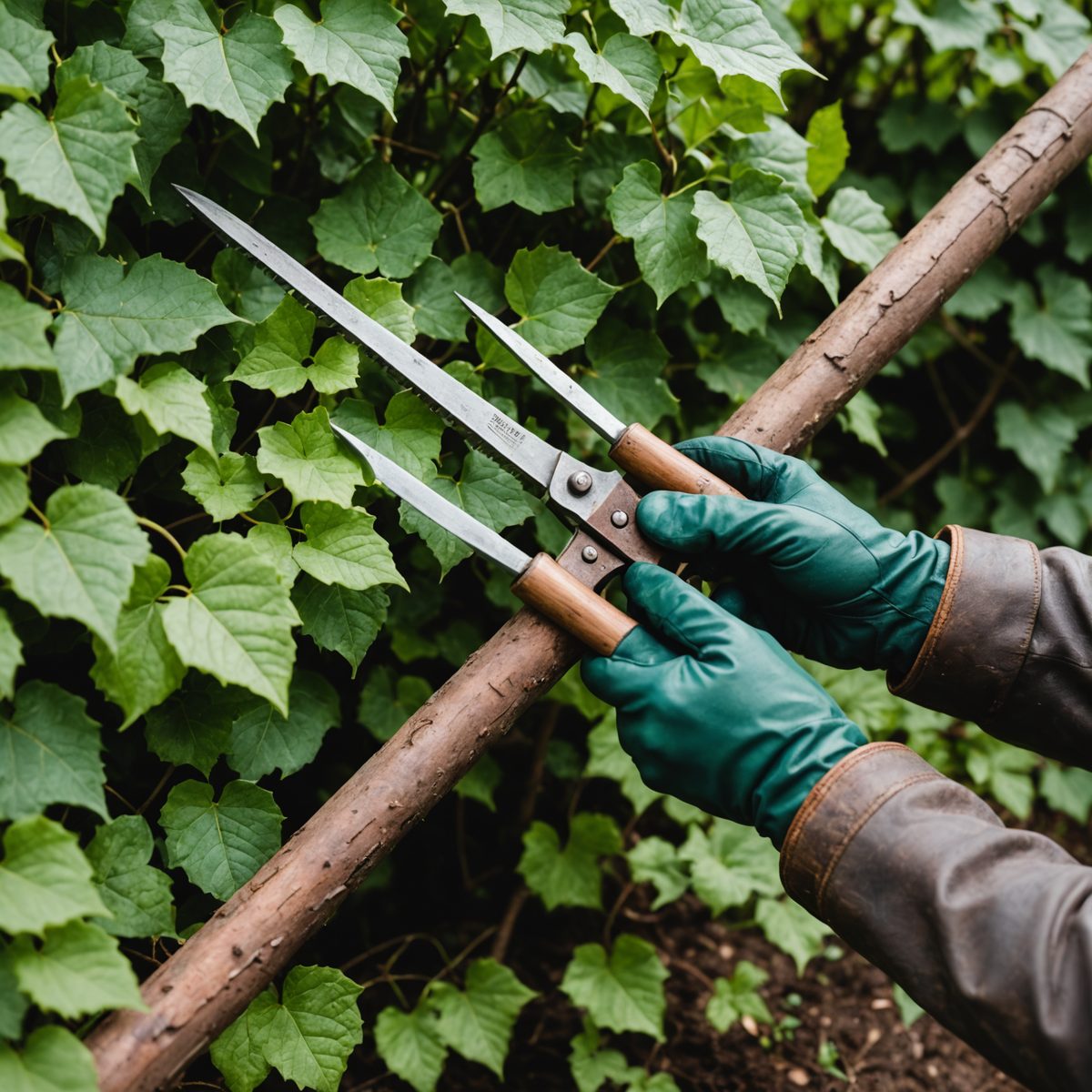
For ivy growing up walls, fences or trees, the most effective approach is to cut through the main stems near ground level and treat the cut ends with a glyphosate-based weedkiller. Use loppers or a pruning saw for thick stems – old ivy can be surprisingly woody.
Here is the step-by-step process:
- Cut all stems at ground level. Use loppers or a pruning saw. Make a clean cut as close to the soil as you can.
- Treat the cut stumps immediately. Apply undiluted glyphosate or triclopyr weedkiller to the freshly cut surface using a paintbrush. The plant absorbs chemicals much more readily through a fresh cut than through bark.
- Wait for the ivy above to die. This takes 2-4 weeks. The leaves will brown and dry out as the severed stems can no longer transport water.
- Remove the dead growth. Dead ivy is much easier to remove than living ivy. Carefully peel it away once the grip loosens. Stubborn aerial roots may need a wire brush or pressure washer.
- Retreat any regrowth. Check monthly and treat new shoots from the stump. You may need 2-3 applications over the following growing season.
For particularly woody, established ivy, triclopyr-based weedkillers (such as SBK Brushwood Killer) can be more effective on the cut stumps than glyphosate. Triclopyr targets woody plants specifically and penetrates bark more effectively.
Spraying Ivy
If you want to spray rather than cut, you need to overcome that waxy coating. There are two approaches that work.
The first is timing. Spray in late spring – May onwards – when the new growth is still soft and the waxy layer hasn’t fully developed. Fresh leaves absorb weedkiller far more effectively than the hardened, overwintered foliage.
The second is physical damage. Before spraying, crush, scrape or rake the ivy leaves to break through the waxy surface. Some gardeners literally walk on ground ivy or bash it with a rake before treatment. This creates entry points for the herbicide to penetrate.
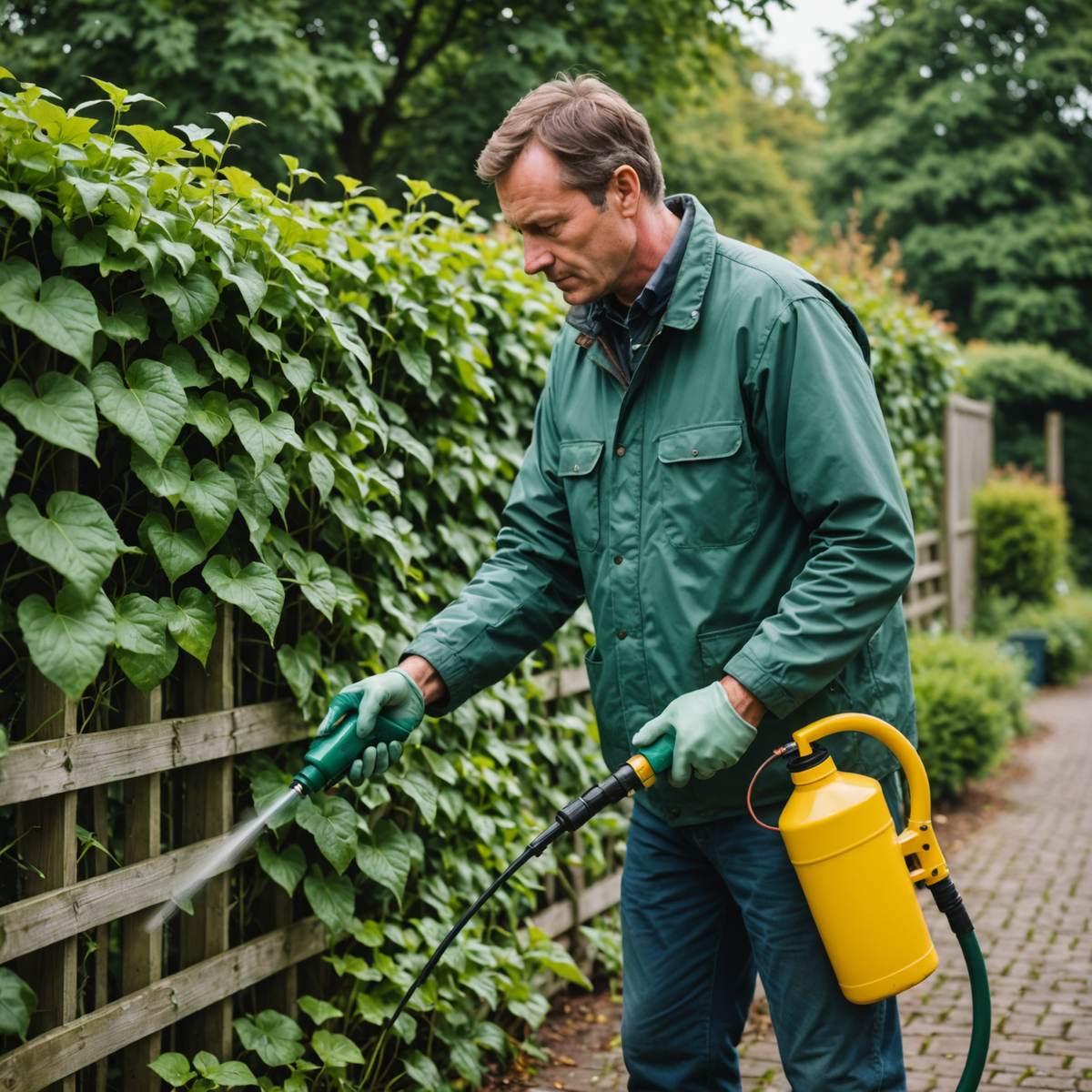
Whichever approach you use, spray lightly rather than drenching the plant. Heavy spray just runs off – a light, even coating gives the chemical time to be absorbed. A systemic weedkiller will then travel through the plant to the roots.
Digging Out Ground Ivy
For ivy spreading across the ground, digging out can be effective if you’re thorough. Ivy roots as it spreads, so you’re essentially dealing with a network of connected plants. Work methodically, following the stems and removing as much root as possible.
If the area is large or the ivy well-established, smothering may be more practical. Cut back all the top growth, then cover with thick mulch, weed membrane or old carpet. Leave the covering in place for at least a year – ideally two growing seasons – to starve the roots of light.
Best Ivy Killer Products UK

Not all weed killers work equally well on ivy. Because of that waxy leaf coating, you need a product that either penetrates effectively or one designed for tough woody weeds. Here are the main options available in the UK.
Triclopyr-Based Products (Best for Woody Ivy)
Triclopyr is the active ingredient in products like SBK Brushwood Killer and Vitax SBK. It targets broadleaf and woody plants specifically, making it ideal for established ivy with thick, bark-covered stems. Triclopyr penetrates bark and woody tissue better than glyphosate, which is why it’s the first choice for the cut-and-paint method on mature ivy.
Use triclopyr undiluted on cut stumps. For spraying, dilute according to label instructions and apply to actively growing foliage in spring or early summer.
Glyphosate-Based Products (Best for Ground Ivy)
Glyphosate is a systemic herbicide that travels through the whole plant to kill roots. Products like Roundup Tree Stump & Rootkiller, Gallup and GoodGrow Strong Weedkiller all contain glyphosate. It works well on actively growing ivy with soft foliage, making it effective on ground-cover ivy sprayed in late spring.
Glyphosate is less effective on very woody stems. For thick, established growth, combine it with the cut-and-paint technique or switch to triclopyr.
Glyphosate vs Triclopyr for Ivy
If the ivy has thick woody stems (thicker than a pencil), use triclopyr. If you’re dealing with softer ground-cover ivy or younger growth, glyphosate works well. For severe infestations, use both: triclopyr on the cut stumps and glyphosate on the regrowth and surrounding ground ivy.
You can read more about choosing the right product in our guide to the strongest weed killers available in the UK.
How to Remove Ivy from Walls
Ivy on walls is one of the most common reasons people search for ivy removal advice. The approach depends on whether you want to kill the ivy in place or physically strip it off the wall.
Step-by-Step Wall Removal
- Cut all stems at the base of the wall. Sever every stem you can find where it meets the ground.
- Treat cut stumps with weedkiller to prevent regrowth.
- Wait 2-4 weeks. The ivy above will die and its grip will loosen significantly.
- Carefully peel away dead ivy. Start from the top and work down. Use a scraper for stubborn sections.
- Remove aerial root marks. A stiff wire brush, pressure washer, or heat gun can shift the marks left by aerial roots on brickwork.
Does Ivy Damage Walls?
This is more nuanced than most people think. Ivy doesn’t directly damage sound brickwork with good pointing. Research has shown that ivy can actually be beneficial on solid walls, helping to insulate buildings and protect them from weather damage.
However, if your mortar is already crumbling or your render has cracks, ivy roots will exploit those gaps and make things worse. The aerial roots grow into any available space, gradually widening cracks as they thicken.
The practical rule: if your walls are in good condition, ivy is unlikely to cause damage. If your pointing is failing, remove the ivy before it accelerates the problem.
How to Remove Ivy from Fences
Ivy on fences is treated much like ivy on walls. Cut the stems at ground level, treat the stumps, and wait for the growth above to die before removing it. Pulling live ivy off a fence can damage panels or loosen posts, so patience pays off.
For wooden fences, be aware that ivy traps moisture against the timber, which can accelerate rot. If the fence is already damaged, removing ivy sooner rather than later is sensible.
Neighbour’s Ivy Coming Through Your Fence
This is a common frustration. In the UK, you have the right to cut back any growth that crosses your boundary, including ivy. You can cut it back to the fence line and treat any stumps or roots on your side.
However, you cannot treat or damage the ivy on your neighbour’s property. If ivy is repeatedly growing through, consider installing a root barrier along the fence line. A sheet of thick plastic or metal edging buried 30-40 cm deep can prevent ivy roots from spreading under the fence.
You should also speak to your neighbour. Many are happy to manage their ivy once they know it’s causing a problem. If the ivy is causing structural damage to your fence, you may be able to claim the cost of repair.
How to Kill Ivy Roots
Killing the roots is the only way to stop ivy permanently. If you cut the stems but leave healthy roots, new shoots will appear within weeks.
Stump Treatment
The most reliable root-killing method is stump treatment. After cutting ivy stems, paint the fresh cuts with undiluted triclopyr or glyphosate. The cut surface absorbs the chemical directly into the root system, bypassing the waxy leaves entirely. Apply within 10 minutes of cutting for best results, as the cut surface begins to seal over quickly.
Digging Out Roots
For smaller areas, you can dig out ivy roots manually. Ivy roots tend to stay in the top 15-20 cm of soil, but established plants can send roots deeper. Use a garden fork rather than a spade, as it’s easier to loosen the soil around roots without cutting them (which creates fragments that can regrow).
Follow every runner and remove as much root material as possible. Even small fragments can produce new growth, so be thorough. Check the area monthly and pull or treat any regrowth promptly.
How Deep Do Ivy Roots Go?
Most ivy roots sit within the top 20 cm of soil, but the main rootstock of an established plant can extend 30 cm or more. The spreading runners that root along the ground surface are usually quite shallow. The real challenge isn’t depth but spread. Ivy creates an extensive network of interconnected roots and runners that can cover a large area.
Does Vinegar Kill Ivy?
Vinegar is one of the most commonly searched natural ivy remedies. The short answer: household vinegar (5% acetic acid) will damage ivy leaves on contact but will not kill the roots.
Horticultural vinegar (20% acetic acid) is more effective as a contact killer, but it still only burns the foliage it touches. Ivy will regrow from the roots because vinegar doesn’t travel through the plant the way systemic herbicides do.
Other Natural Methods
Boiling water will scorch ivy leaves and can damage surface roots, but it won’t penetrate deep enough to kill established root systems. Salt can kill plants but also damages soil for years, affecting everything you might want to grow there afterwards. You can read more about this in our guide to whether salt kills ivy.
If you want to avoid herbicides entirely, the most effective organic approach is physical removal (digging out roots) combined with smothering. Cut back all growth, cover the area with thick cardboard or weed membrane weighted down, and leave it for at least 12 months. This starves the roots of light and eventually kills them.
For most people dealing with established ivy, a systemic weedkiller applied to cut stumps remains the fastest and most reliable method.
When Is the Best Time to Kill Ivy?
Timing matters more with ivy than with most weeds, because of that waxy leaf coating.
- Late spring (May-June): Best time to spray. New growth is soft and absorbs herbicide well.
- Summer (July-September): Good for the cut-and-paint method. The plant is actively growing, so it will transport weedkiller to the roots effectively.
- Autumn (October-November): Still workable for cut-and-paint, but growth slows as temperatures drop.
- Winter (December-March): Ivy is evergreen so it never fully goes dormant, but weedkiller uptake is much slower. Cutting and physical removal can be done year-round, but delay chemical treatment until spring.
The cut-and-paint method works across most of the year because it bypasses the leaves entirely. The stump absorbs herbicide regardless of how thick the waxy coating on the leaves is.
Similar Woody Weeds
Ivy shares its stubborn nature with other vigorous growers. If you’re also battling raspberry bushes, brambles, or Russian vine, you’ll find the cut-and-treat method works well on all of them. For overgrown gardens with multiple woody weeds, our guide to clearing neglected gardens covers the systematic approach needed.
Wildlife Considerations
Before removing all your ivy, consider its wildlife value. Ivy flowers late in the year when little else is blooming, providing vital nectar for bees, butterflies and other pollinators. The berries feed birds through winter. The dense evergreen growth offers year-round shelter for nesting birds, hibernating insects and small mammals.
If possible, keep some ivy in areas where it won’t cause problems. You can control its spread by cutting it back regularly without eliminating it entirely. Check for nesting birds before removing ivy between March and August.
Frequently Asked Questions
What kills ivy permanently?
The most reliable method is cutting the stems at ground level and painting the fresh cuts with a systemic weedkiller containing triclopyr or glyphosate. This delivers the chemical directly into the root system, bypassing the waxy leaves. Treat any regrowth promptly over the following months, and the ivy will not recover.
Why doesn’t weedkiller work on ivy?
Ivy leaves have a thick waxy coating that causes herbicides to bead up and run off before they can be absorbed. To get weedkiller to work, either spray in late spring when new growth is soft, or physically damage the leaves before spraying to break through the waxy barrier. The cut-and-paint method avoids this problem entirely.
What weedkiller kills ivy in the UK?
For woody, established ivy, use a triclopyr-based product like SBK Brushwood Killer. For younger or ground-cover ivy, a glyphosate-based weedkiller such as Roundup or GoodGrow Strong Weedkiller works well when applied to soft new growth in spring.
Will spraying vinegar on ivy kill it?
Household vinegar (5% acetic acid) will damage ivy leaves on contact but will not kill the roots. The ivy will regrow. Horticultural vinegar (20%) is more effective on foliage but still doesn’t travel to the roots. For permanent results, you need a systemic herbicide or physical removal of the root system.
Can I pull ivy off my wall?
It’s better to cut the stems at the base and wait for the ivy to die before removing it. Live ivy grips tightly and pulling it can damage mortar, render or paintwork. Dead ivy releases much more easily. Wait a few weeks after cutting, then carefully peel away what you can.
How do I stop neighbour’s ivy coming through my fence?
You can cut back any ivy that crosses your boundary and treat stumps on your side. To prevent it returning, install a root barrier. Bury a sheet of thick plastic or metal edging 30-40 cm deep along the fence line to block roots from spreading underneath.
Does ivy damage walls and trees?
Ivy doesn’t harm healthy trees or sound brickwork. However, it can worsen existing problems, exploiting crumbly mortar, adding weight to weakened branches, or hiding signs of decay. On solid walls with good pointing, ivy can actually provide insulation and weather protection.
When is the best time to spray ivy?
Late spring, from May onwards, when the new growth is still soft and the waxy coating hasn’t fully hardened. Overwintered leaves have a thicker, tougher wax layer that’s much harder for herbicides to penetrate. Fresh spring growth absorbs weedkiller far more effectively.
How long does it take for ivy to die after cutting?
After cutting the stems at ground level, the foliage above typically browns and dies within 2-4 weeks. The root system takes longer to exhaust its energy reserves. Continue treating any new shoots for 3-6 months to ensure the roots are fully dead.
Should I remove ivy for wildlife reasons?
Ivy is actually valuable for wildlife, providing late-season nectar, winter berries, and year-round shelter for birds and insects. If possible, keep some ivy in areas where it won’t cause problems rather than removing it entirely. You can control its spread without eliminating it.
The frustrating thing about ivy is watching the spray bead up and drip off those glossy leaves. Once you break through that waxy defence – by crushing the leaves or catching it when the new growth is soft – a systemic weedkiller can finally do its job.

I have ivy growing between two fences at the bottom
of my garden. I am unable to get to the base of the plant, due to a large garage being in the way. Any tips on how I can kill this ivy, as it’s burrowing through my shed roof? Cheers and thanks for an insightful website.
Yes, get some Glyphosate based weed killer and kill it
I like ivy and allow it to grow on my old stone walls and try to keep on top of pruning. When I’ve missed the opportunity, it can reach guttering height, where it can form a knot going round a corner and behind fascia boards. I can cut & remove up to the knot in either direction, but am left with the impossible to remove knot. Is there a killer I can paint onto the raw woody ends to prevent it re-growing from the knot? Thank you.
Yes but it will likely kill all the Ivy and not just the single part you want – Glyphosate is usually the only thing that works on Ivy
Hi we have Ivy growing through a hedge of conifer trees and can’t get to any of the roots. In fact don’t know where it starts. Is there anything we can try to get rid of it from within the trees,?
Hi Pat, cut it at the base and apply Glyphosate to the cut stems.