
Running Bamboo Spreads a Metre Per Year – Underground, Invisible
Until shoots appear in your neighbour’s garden. The rhizomes travel horizontally through the soil, impossible to see until they surface metres away. Digging chops them into pieces that each become new plants. You need something that travels through the entire network.
You planted bamboo as an attractive privacy screen. Now shoots are appearing in your lawn, pushing through your patio, and heading towards your neighbour’s garden. Welcome to the reality of living with running bamboo – a plant that experts are increasingly calling “the new knotweed”.
Unlike Japanese knotweed, there are currently no legal restrictions on planting bamboo in the UK. Garden centres sell it freely, often with little warning about its invasive potential. But running bamboo can spread just as aggressively as knotweed, travelling up to 10 metres underground before surfacing – potentially in someone else’s property.
Here’s how to kill bamboo before it becomes a serious problem.

Why Bamboo Is So Hard to Kill
Bamboo spreads through rhizomes – thick underground stems that travel horizontally through the soil, sending up new shoots as they go. In a mature running bamboo, these rhizomes can extend over a metre per year, with some species recorded spreading up to 4.5 metres in a single growing season.
The rhizomes typically stay shallow – within the top 50cm of soil – but they’re remarkably tough. And here’s the critical problem: bamboo can regenerate from any fragment of rhizome that contains a node. Try to dig it out, and every piece you miss or accidentally chop up has the potential to become a new plant.
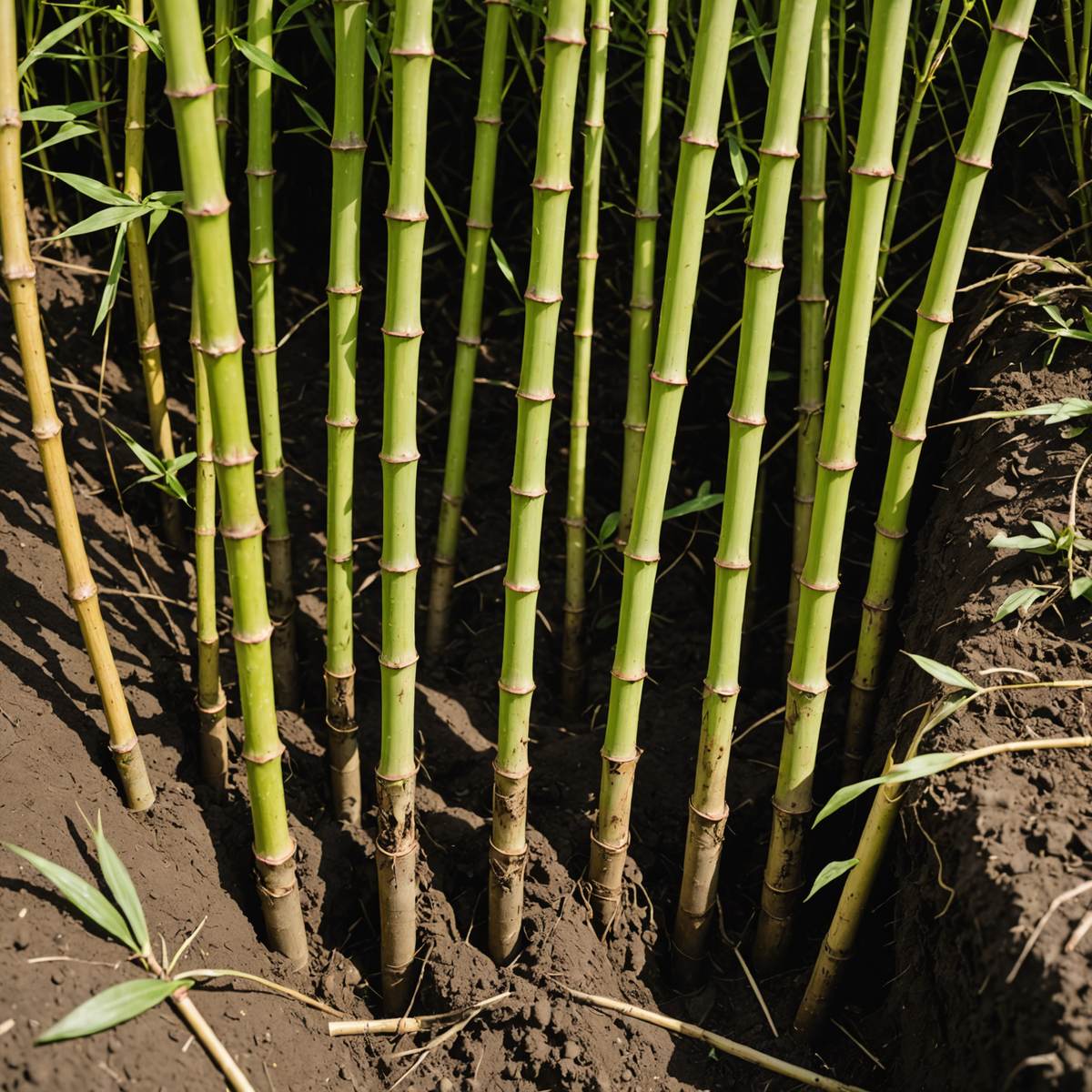
This is why bamboo infestations often get worse after people try to remove them. The digging and chopping spreads rhizome fragments around the garden, each one capable of starting a new colony.
Bamboo shares this frustrating ability to regenerate from root fragments with other persistent common UK weeds like horsetail and ground elder – all require the same patient, systematic approach.
Running vs Clumping Bamboo
Not all bamboo is equally invasive. There are two main types, and understanding the difference is essential.
Running bamboo (monopodial) produces long horizontal rhizomes that spread aggressively through the soil. This is the type that causes problems – Phyllostachys species like black bamboo are particularly notorious. Running bamboo can send shoots up metres away from the parent plant, often crossing property boundaries underground before anyone notices.
Clumping bamboo (sympodial) grows in tight clusters from a central point. The rhizomes are shorter and turn upward to form new canes close to the existing clump. Fargesia and Chusquea species are clumping types – they spread slowly and stay relatively contained. If you want bamboo in your garden, these are the safer choice.
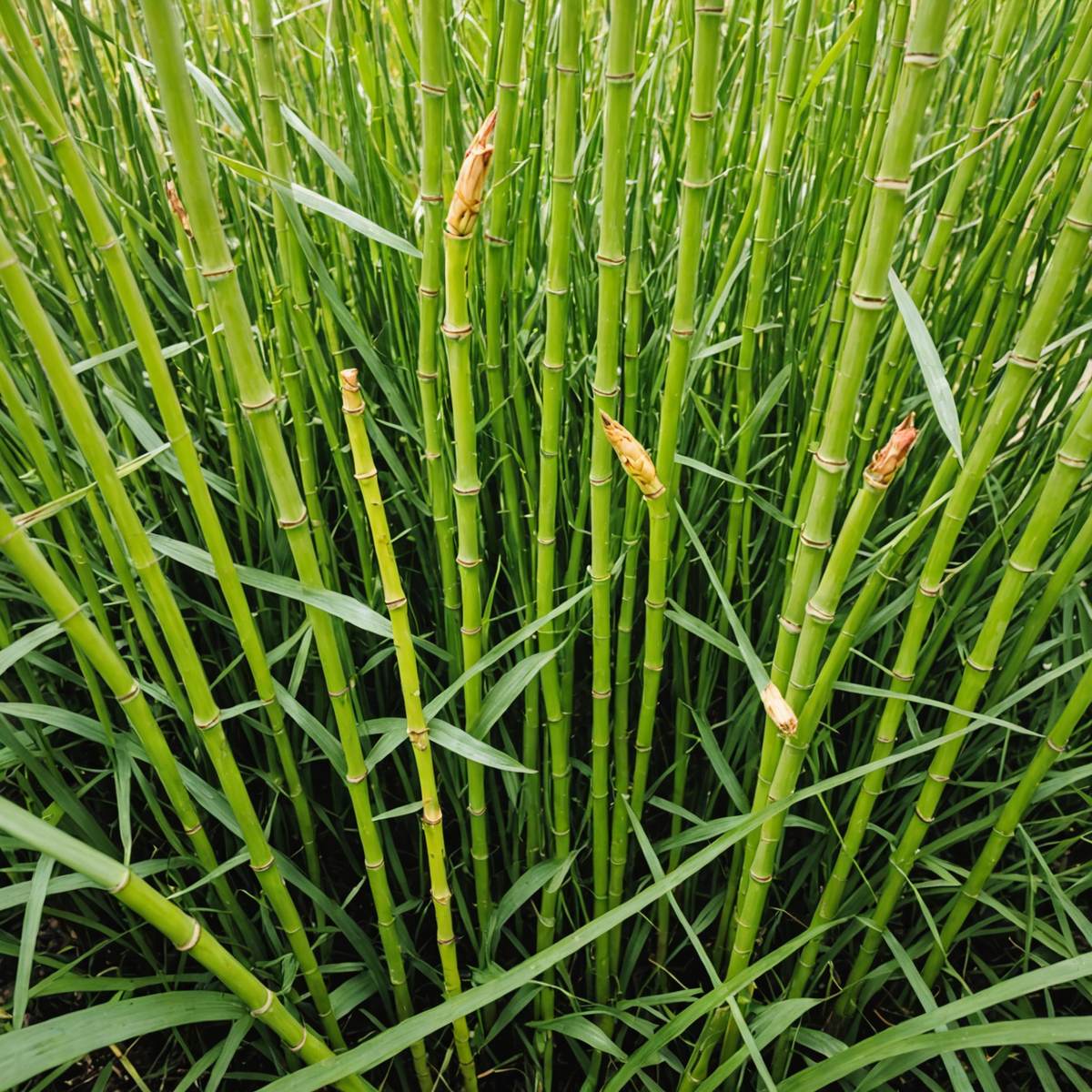
Unfortunately, telling the difference isn’t always easy without digging down to examine the rhizomes. If you’re seeing shoots appearing far from your main bamboo clump, you almost certainly have a running type – and a problem that needs addressing.
Can Bamboo Damage Your Property?
Yes. Running bamboo has similar abilities to Japanese knotweed when it comes to exploiting weaknesses in hard landscaping. The powerful shoots can push through cracked paving, lift slabs, penetrate drains, and force their way through gaps in walls. There have been cases of bamboo growing up through floors inside houses.
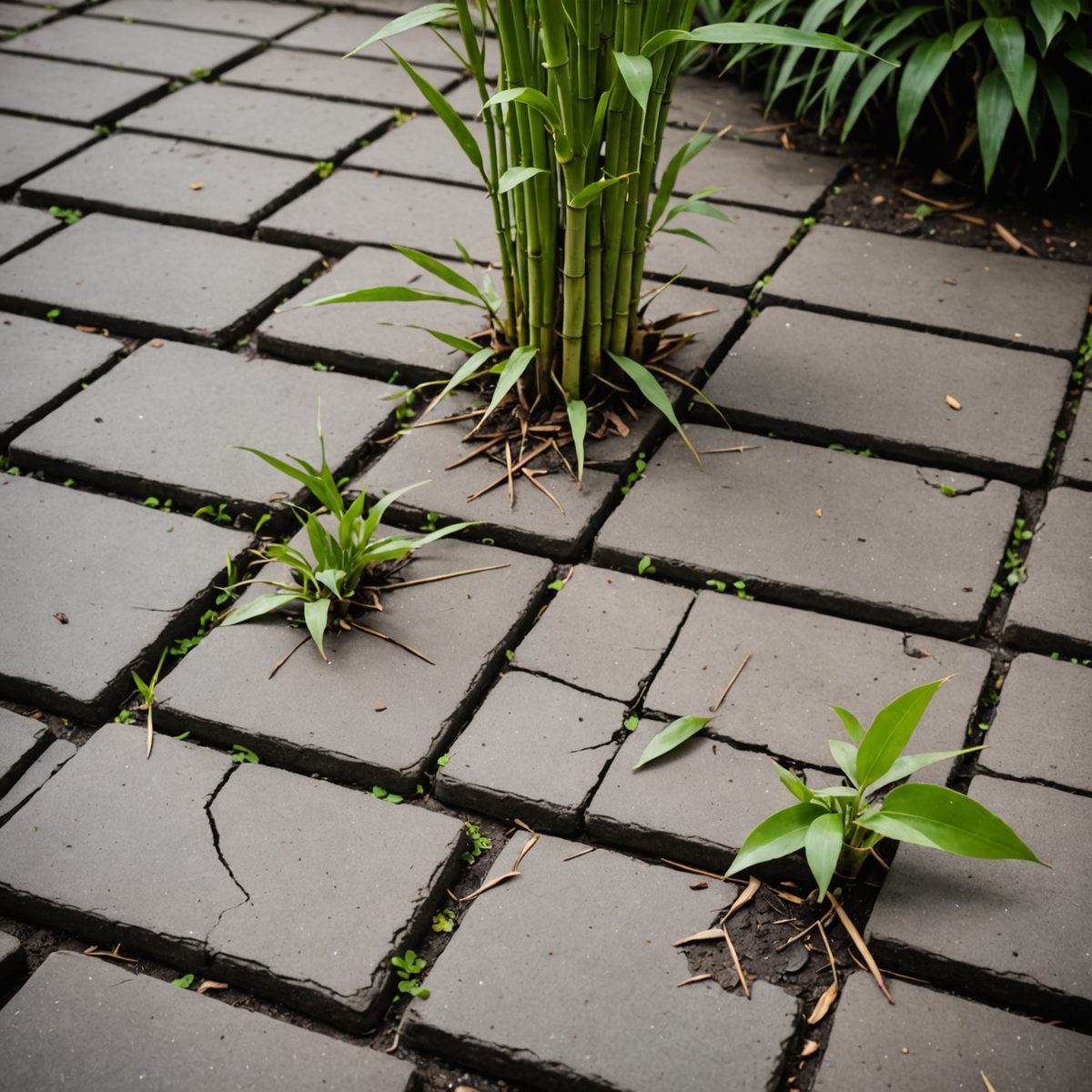
The legal situation is also worth noting. While bamboo isn’t officially classed as an invasive species, you can be held liable if it spreads from your garden onto neighbouring property. There’s been an increase in neighbour disputes and legal claims related to bamboo encroachment, with property owners having to pay significant removal costs and legal fees.
Mortgage lenders are also becoming aware of the problem. Some are starting to treat bamboo similarly to knotweed when assessing properties, potentially affecting valuations and lending decisions.
How to Kill Bamboo
There are two effective approaches: physical removal and chemical treatment. Often, a combination of both works best.
Digging Out
Physical removal is labour-intensive but thorough when done properly. The goal is to remove as much of the rhizome network as possible without fragmenting it and spreading pieces around.

Start by cutting down all the canes to make the area manageable. Then dig around the clump to expose the rhizomes – they’re usually within the top 30-50cm of soil. Follow each rhizome outward, carefully lifting rather than chopping to keep them intact. For large infestations, a mechanical excavator may be necessary.
Be meticulous. Any rhizome fragment left behind can regrow. Check the area regularly over the following months and remove any new shoots immediately – this exhausts the energy reserves of any remaining rhizome pieces.
Using Weedkiller
Chemical treatment with a glyphosate-based weedkiller can kill bamboo, but it requires patience. Unlike most weeds, bamboo’s extensive rhizome network means a single application rarely gets the job done. Expect to treat repeatedly over two to three years for complete eradication.
The most effective method is to cut the canes and immediately treat the fresh cut ends with concentrated weedkiller. The glyphosate is absorbed through the cut surface and transported down to the rhizomes. Some gardeners drill holes into the cut stumps and fill them with weedkiller to ensure maximum absorption.

You can also spray the foliage, but bamboo leaves are quite waxy and may not absorb the chemical as effectively. Spraying works best on young, actively growing shoots in late spring and summer. A strong systemic weedkiller will travel through the plant to the roots, but repeat applications will be needed. For particularly stubborn infestations, you may need the strongest weedkiller available.
Smothering
For those who prefer to avoid chemicals, smothering can work but requires serious commitment. Cut all the canes down to ground level, then cover the entire area with thick mulch, heavy-duty weed membrane, or old carpet. The covering must be complete – any gap allows light in and shoots will find it.
Leave the covering in place for at least two years, possibly longer. Bamboo is tenacious and the rhizomes can survive a long time without light. Check regularly for any shoots that have found a way through and remove them immediately.
Similar Rhizome-Spreading Weeds
If you’re dealing with bamboo, you might also encounter bindweed – another weed that spreads through underground networks and regenerates from fragments. The treatment approach is similar: systemic weedkillers that travel through the entire connected system.
Preventing Bamboo Spread
If you want to keep bamboo but contain it, install a root barrier. This needs to be heavy-duty plastic or metal, at least 60cm deep (ideally deeper), and should extend a few inches above ground level to prevent rhizomes growing over the top. The barrier must form a complete enclosure with no gaps.
Even with a barrier, vigilance is essential. Check regularly for rhizomes attempting to escape over the top or through any weaknesses. Many people eventually conclude that the ongoing effort of containment isn’t worth it and opt for removal instead.
If you’re buying a property with bamboo, or if a neighbour has bamboo near your boundary, consider getting a professional survey to identify the species and assess the risk. Prevention is far easier than cure with this plant.
Frequently Asked Questions
Why is bamboo so hard to kill?
Bamboo spreads through an extensive underground network of rhizomes, and it can regenerate from any fragment that contains a node. When you try to dig it out, you often break rhizomes into pieces that each become new plants. The rhizome network can also extend several metres from the visible canes, making it difficult to find and remove everything.
Can I kill bamboo with weedkiller?
Yes, but it takes time. Glyphosate-based weedkillers are effective, but bamboo’s extensive root system means you’ll need multiple treatments over two to three years for complete eradication. The most effective method is cutting the canes and treating the fresh cut ends directly, allowing the chemical to travel down to the rhizomes.
What’s the difference between running and clumping bamboo?
Running bamboo produces long horizontal rhizomes that spread aggressively – up to a metre or more per year – and can send up shoots far from the parent plant. Clumping bamboo grows in tight clusters with short rhizomes that turn upward, spreading slowly and staying more contained. Running types (like Phyllostachys) cause problems; clumping types (like Fargesia) are safer for gardens.
Can bamboo damage my property?
Yes. Running bamboo can push through cracked paving, lift slabs, penetrate drains, and exploit gaps in walls – similar to Japanese knotweed. There have been cases of bamboo growing through floors inside houses. You can also be held legally liable if bamboo spreads from your garden onto neighbouring property.
How do I stop bamboo spreading to my neighbour’s garden?
Install a root barrier at least 60cm deep around the bamboo, made from heavy-duty plastic or metal with no gaps. The barrier should extend slightly above ground to prevent rhizomes growing over the top. However, barriers require ongoing vigilance to maintain. If spread has already occurred, you may need professional removal – and potentially face liability for damage to your neighbour’s property.
The rhizomes are the problem – spreading underground where you can’t see them, fragmenting when you try to dig them out. A systemic weedkiller reaches the parts your spade keeps missing.