
Every Fragment You Leave Behind Becomes a New Plant
Ground elder spreads through underground rhizomes that snap when you dig. Every piece – even a fingernail-sized fragment – regenerates into a full plant. That’s why digging often makes infestations worse. You need a different approach.
Ground elder is one of the most frustrating common UK weeds a gardener can face. Not because it’s particularly aggressive above ground (the carpet of green leaves looks almost innocent) but because of what’s happening beneath the soil.
This perennial weed spreads through a network of shallow white rhizomes that extend outward by 15 to 90 cm every year. Those rhizomes are brittle. They snap easily. And every fragment containing a node, even pieces smaller than your fingernail, can regenerate into a complete new plant.
This is why ground elder defeats so many gardeners. The natural instinct is to dig it out, but digging chops the rhizomes into dozens of pieces and scatters them through the soil. A few weeks later, you have more ground elder than when you started.
Understanding the Problem
| Method | How It Works | Timeline |
|---|---|---|
| Glyphosate (systemic spray) | Absorbed through leaves, travels to rhizome network | 2 to 3 applications over 1 to 2 seasons |
| Gel application (targeted) | Paint onto individual leaves near wanted plants | Same timeline, more labour-intensive |
| Smothering (membrane) | Block all light to exhaust rhizome energy reserves | 1 to 2 full growing seasons under cover |
| Repeated cutting | Remove all shoots before they can photosynthesise | Several years of consistent effort |
| Digging out | Remove rhizomes manually (high fragmentation risk) | Often counterproductive, spreads it further |
Ground elder was introduced to the UK by the Romans, probably as a food and medicinal plant. It has had centuries to establish itself, and it’s exceptionally good at surviving.
The plant emerges in late winter, often by March, weeks before most garden plants wake up. This head start lets it establish dense foliage that shades out competitors. It thrives in shade where other plants struggle, tolerates drought once established, and grows happily in any soil type.
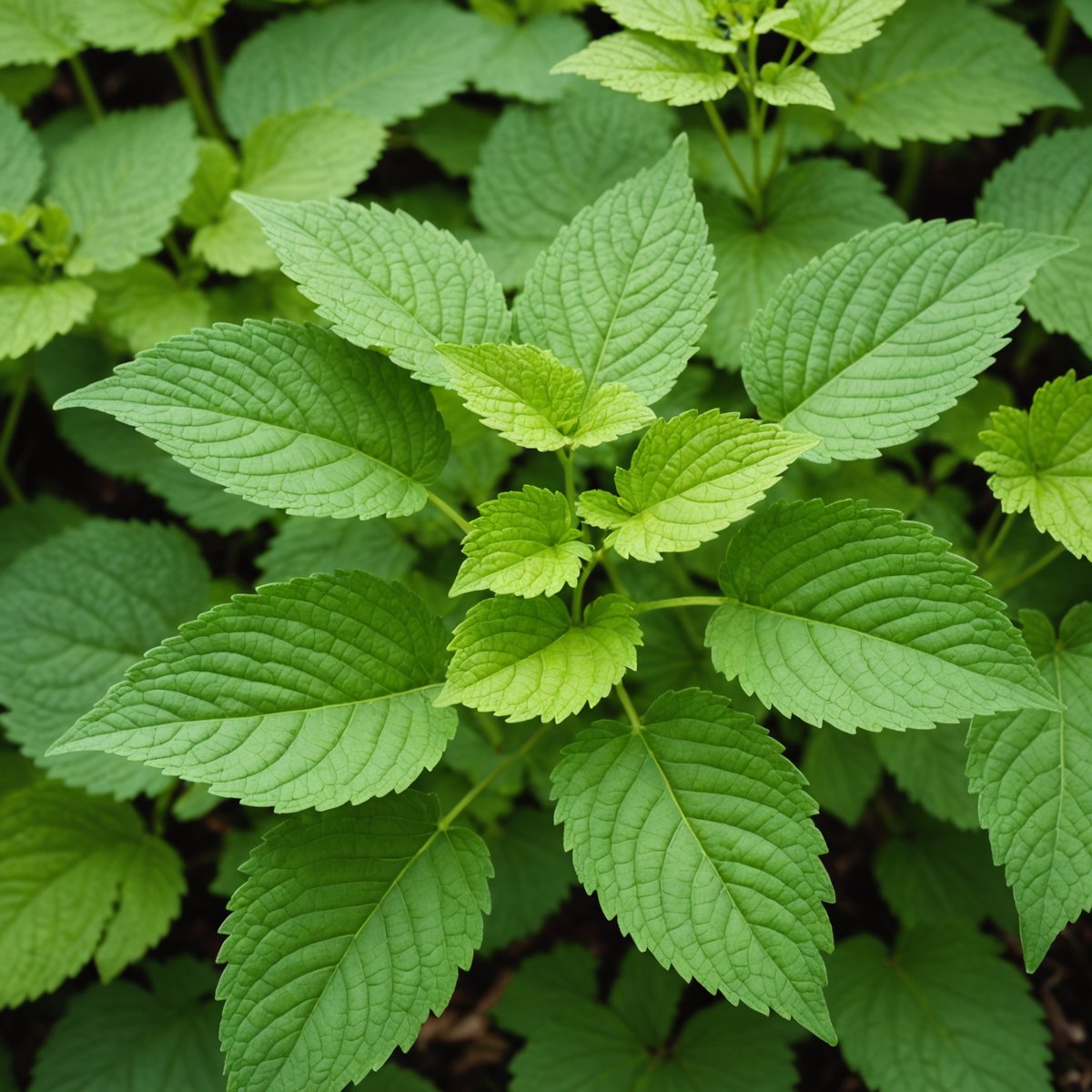
Above ground, you’ll see hollow leaf stalks bearing distinctive bright green leaves divided into three toothed leaflets. They look somewhat like elder tree leaves, hence the name. In late spring and summer, white umbrella-shaped flower clusters appear on taller stems.
Below ground, a dense mat of creamy-white rhizomes forms just beneath the surface. These underground stems store energy reserves and can remain dormant for extended periods before sending up new shoots.
Ground elder rarely spreads by seed in the UK. Almost all spread happens through those rhizomes. This means it typically arrives in gardens as a hitchhiker: in contaminated topsoil, in the rootballs of new plants, or creeping under fences from neighbouring properties.
This underground spreading behaviour puts ground elder in the same difficult category as horsetail, wild garlic, bracken, bamboo, and creeping buttercup, weeds that regenerate from hidden root systems.
Why Digging Makes It Worse
When you dig up ground elder, the rhizomes break. You might remove the visible plant and feel you’ve made progress, but fragments remain in the soil. Even pieces without an obvious growing point can form a callus, develop adventitious buds over several months, and eventually produce new shoots.
Using a spade is particularly problematic. You’re essentially chopping the rhizomes into multiple pieces and mixing them through the soil. Garden forks are marginally better but still cause breakage.
If ground elder has infiltrated the roots of established plants, the problem multiplies. You can’t dig without fragmenting rhizomes, and those fragments hide among the roots of plants you want to keep.
Methods That Actually Work
Herbicide Treatment
For established infestations, a systemic weed killer is the most effective approach. Glyphosate-based products are absorbed through the leaves and transported down into the rhizome network, killing the entire connected system permanently.
Timing matters. Apply when ground elder is actively growing, typically mid-spring through summer, and when plants aren’t stressed by drought. The foliage needs to be healthy and actively photosynthesising to absorb and transport the herbicide effectively.
One application rarely kills all the ground elder. The rhizome network is extensive, and some portions may escape the first treatment. Plan for at least two or three applications over a growing season, allowing regrowth between treatments. Complete eradication of a heavy infestation can take two years or more. For particularly stubborn patches, you may need the strongest weedkiller available.
Where ground elder is growing among plants you want to keep, use a gel formulation that you can apply directly to individual leaves without risking spray drift. This is painstaking work but allows targeted treatment.
Smothering
If you prefer to avoid chemicals, smothering can work, but it requires patience.
Cover the infested area completely with thick black polythene, weed membrane, or layers of cardboard topped with mulch. The covering must block all light. Any gaps and the ground elder will find them.
Leave the covering in place for at least one to two full growing seasons. The rhizomes will repeatedly try to send up shoots, exhaust their energy reserves, and eventually die. Check periodically and deal with any shoots that emerge around the edges.
This method works best for clearing an entire bed. If you need to keep existing plants in place, smothering isn’t practical.
Repeated Cutting
Where neither herbicides nor smothering are options, persistent removal of new growth can eventually exhaust the rhizomes.
Cut or pull every shoot as soon as it appears, before the leaves can photosynthesise and send energy back to the roots. Do this repeatedly throughout the growing season. You’re trying to starve the plant by preventing it from feeding itself.
This approach requires genuine commitment over multiple years. Miss a few weeks and the ground elder recovers. But with consistent effort, the rhizome reserves will eventually deplete.
In lawns, regular mowing serves the same purpose. Ground elder can’t tolerate repeated cutting at lawn height, and consistent mowing throughout the season will weaken and eventually kill it.
Will Vinegar Kill Ground Elder?
No, not permanently. Vinegar is a contact herbicide. It burns the leaves and stems it touches but cannot travel down to the rhizome network beneath the soil. You’ll see the foliage brown and wilt within a day or two, but new shoots will emerge from the untouched rhizomes within weeks.
This applies to both standard household vinegar (5% acetic acid) and stronger horticultural vinegar (20% acetic acid). The higher concentration causes faster, more complete burn of the visible growth, but the result is the same. The roots survive and the plant returns.
The same limitation applies to boiling water, salt, and bleach. All damage the surface growth but leave the rhizome system intact. For a weed that regenerates from underground, only a systemic herbicide (which travels through the plant to the roots) or prolonged light deprivation can achieve lasting control.
What Plants Will Outcompete Ground Elder?
Once you’ve reduced a ground elder infestation, dense planting with vigorous competitors can help suppress regrowth and prevent bare soil from being recolonised.
Effective competitors include:
- Geranium macrorrhizum forms dense, weed-suppressing ground cover that tolerates the same shady conditions ground elder prefers
- Vinca (periwinkle) creates thick, evergreen mats that shade out emerging ground elder shoots
- Brunnera macrophylla provides large leaves that shade the soil effectively in spring
- Pachysandra terminalis thrives in deep shade and forms an impenetrable carpet once established
- Symphytum (comfrey) has deep roots and large leaves that outcompete ground elder in richer soils
Important: planting competitors alone won’t eliminate an established infestation. You need to significantly reduce the ground elder first (through herbicide, smothering, or persistent cutting), then plant densely to prevent recolonisation. Think of competitive planting as a maintenance strategy, not a primary control method.
Careful Removal in Borders
If ground elder is tangled through established border plants and you want to clear it properly, you’ll need to lift the plants temporarily.
Dig up your border plants when dormant (autumn to late winter). Wash all soil from the roots and carefully remove every visible piece of ground elder rhizome. Pot up the cleaned plants and keep them isolated while you treat the border.
Clear the ground elder from the empty bed using your preferred method. Herbicide is fastest, smothering if you have time. Before replanting, check the potted plants again for any ground elder regrowth you might have missed.
Preventing Reinfestation
Ground elder often spreads from neighbouring properties. If it keeps returning despite your efforts, look for where it’s coming from. Our guide to weeds growing through from neighbours covers this problem in detail.
For small boundary areas, you can install a vertical root barrier, buried membrane that blocks rhizomes from crossing. This won’t help with existing infestations but can stop new incursions.
Be cautious with new plants, topsoil, and compost. Ground elder rhizomes hide easily in rootballs and soil. Inspect new purchases carefully and quarantine anything suspicious.
Never add ground elder roots or rhizomes to your home compost heap. Domestic compost rarely reaches temperatures high enough to kill them. Bag and dispose of them through council green waste instead.
For more advice on persistent garden weeds, visit our weed control hub or browse the best weed killers for UK gardens.
Common Questions About Ground Elder
Can ground elder regrow from small root pieces?
Yes. Even fingernail-sized fragments containing a node can regenerate into full plants. Fragments without nodes can sometimes develop adventitious buds over several months and eventually sprout. This is why digging is so problematic. You’re creating dozens of potential new plants.
Will digging up ground elder get rid of it?
Usually not. Digging breaks the brittle rhizomes into fragments that scatter through the soil. Unless you remove every single piece, which is nearly impossible, you’ll typically end up with more ground elder than before.
How fast does ground elder spread?
The rhizomes can extend 15 to 90 cm per year, depending on conditions. Ground elder also gets a head start each spring, emerging in late winter while most plants are still dormant. Once established, it forms dense carpets that shade out competition.
Can you eat ground elder?
Yes. It was originally introduced to the UK as a food plant. Young leaves can be eaten raw in salads or cooked like spinach. However, be certain of your identification before eating any foraged plant, and don’t harvest from areas that may have been treated with herbicide.
How long does it take to kill ground elder?
Depends on the method. Herbicide treatment typically requires multiple applications over one to two years for complete eradication. Smothering takes one to two full growing seasons. Repeated cutting can take several years of consistent effort. There are no quick fixes for established ground elder.
Will vinegar kill ground elder?
Not permanently. Vinegar burns the visible foliage but cannot reach the underground rhizome network. New shoots will emerge from the untouched roots within weeks. Even horticultural vinegar at 20% acetic acid only provides temporary top-kill.
Does Roundup kill ground elder?
Yes. Roundup (glyphosate) is a systemic herbicide that travels from the leaves down to the rhizome network. It is the most effective chemical option for ground elder. Expect to need two to three applications over one to two growing seasons for complete control of established infestations.
Will ground elder grow through membrane?
Standard landscape fabric often fails against ground elder. The shoots can push through thin or damaged membrane. For effective smothering, use heavy-duty, lightproof black polythene or purpose-made weed-suppressing membrane and leave it in place for at least one to two full growing seasons.
Ground elder shares its persistence with other rhizome-spreading weeds like bindweed. Digging just spreads those brittle white roots around your garden. A systemic weedkiller travels through the entire connected network, killing the parts your spade keeps missing.
Digging Spreads the Rhizomes. Cutting Alone Takes Years.
A systemic weedkiller travels through the entire connected network, killing the parts your spade keeps missing.
