
Quick Answer
What is the best weed killer for brambles? Triclopyr-based products like Vitax SBK Brushwood Killer are the most effective bramble killers. Cut stems to about 10cm above ground, then paint undiluted triclopyr onto the fresh cut. The herbicide travels down into the root system. Glyphosate (Roundup) also works but is slower on woody growth. For best results, treat in autumn when the plant is naturally pulling sugars into its roots.
Bramble Canes Grow 2 Metres Long and Root Wherever They Touch Ground
Cut them back and suckers emerge from 45cm down. Brambles are fighting you on two fronts, above ground with those arching stems, below ground with deep suckering roots. You need to attack both simultaneously.
They Attack From Two Directions
Brambles are one of the most common tough weeds in UK gardens (link), fighting you on two fronts. Above ground, their arching stems grow up to 2.5 metres long and root wherever they touch the soil. A single plant can colonise a surprising amount of ground in one season. Below ground, their roots send up suckers from as deep as 45cm, often appearing metres away from the parent plant.
This is why brambles feel so impossible to control. Cut them back and you stimulate more suckering from the roots. Dig them out and any root fragment you miss will regenerate into a new plant. You are not fighting one battle, you are fighting two.
Here is how to win both.

How Brambles Spread
Understanding how brambles colonise new ground explains why they are so persistent, and why some control methods actually make things worse.
Tip layering is the main method of spread. Those long, arching canes bend over and wherever the tip touches soil, it roots and forms a new plant. By late summer, a single bramble can have rooted several new plants around itself, each capable of sending out its own arching stems the following year.
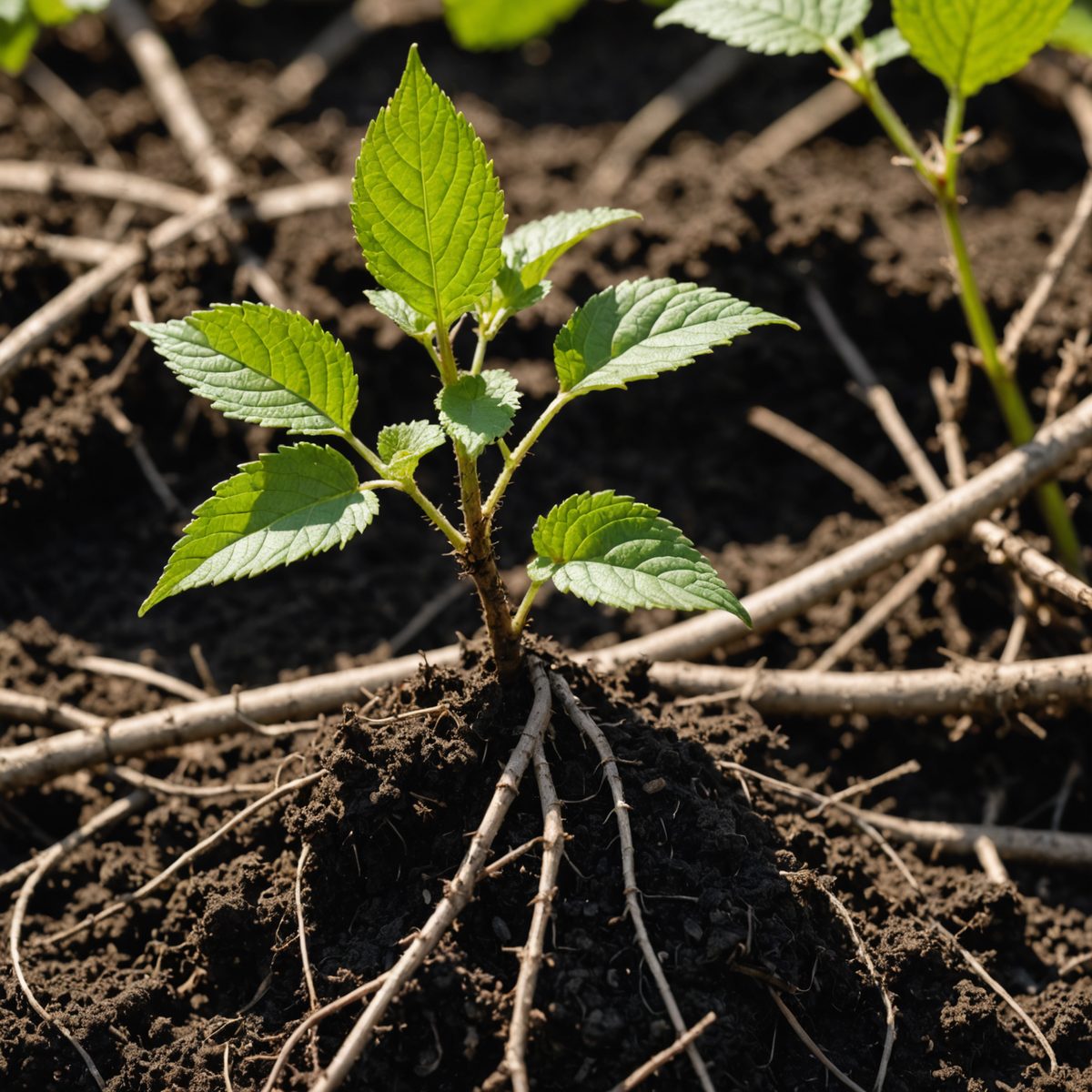
Root suckers are the hidden problem. Bramble roots can produce new shoots from depths of up to 45cm. These suckers can emerge well away from the visible plant, popping up in lawns, borders, or anywhere the underground roots have spread. Cutting the above-ground growth often stimulates more suckering. The plant responds to losing its top growth by sending up replacements from the roots.
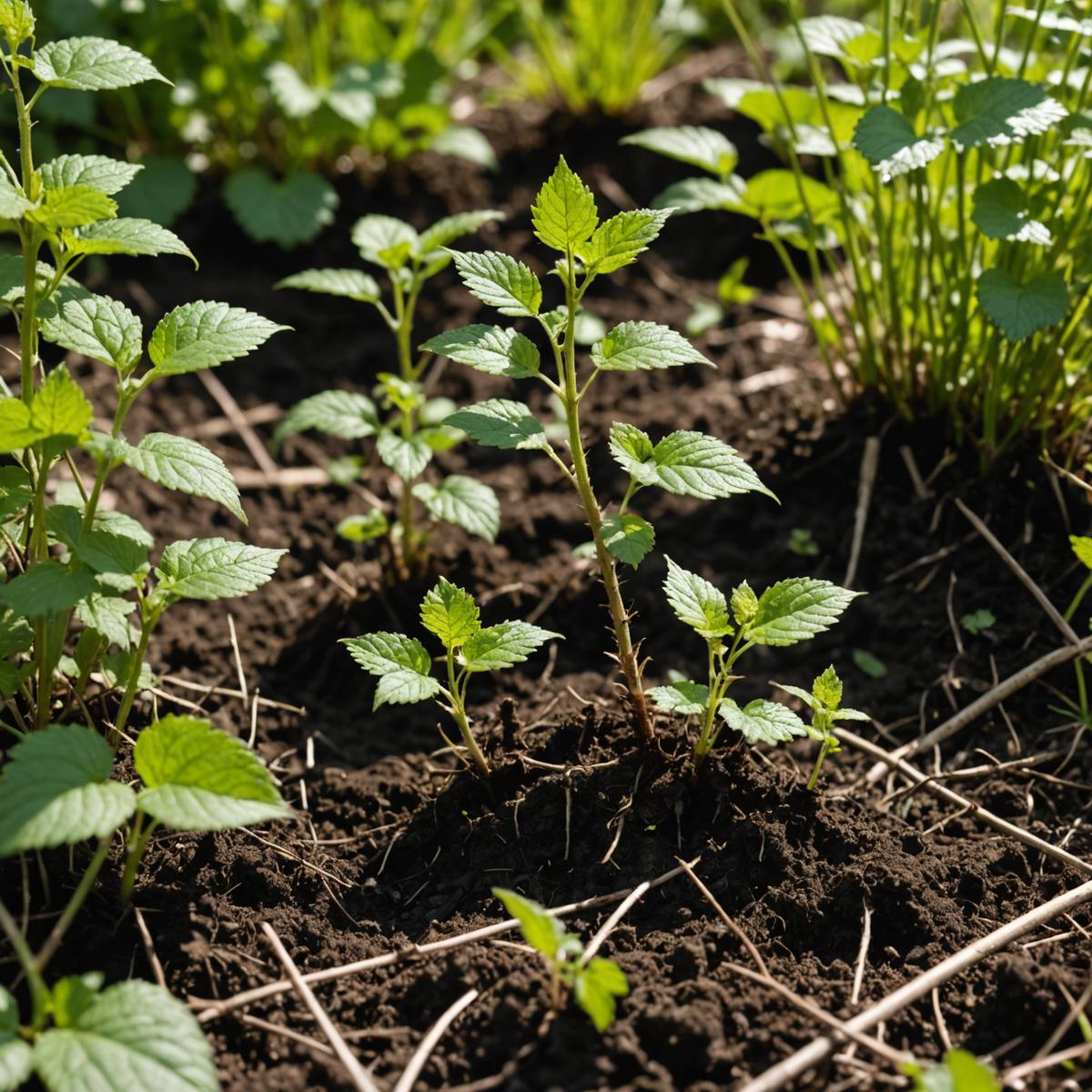
Seed dispersal adds another dimension. Birds eat the blackberries and deposit seeds throughout your garden, and your neighbours’ gardens. This is why brambles appear in unexpected places, often in the middle of hedges or shrubs where they are difficult to spot until well established.
How to Kill Brambles
The key is dealing with both the above-ground growth AND the root system. Tackle just one and the other will bring the plant back.
Method 1: Cut and Paint (Most Effective)
The cut-and-paint method is the most reliable way to kill brambles permanently. It delivers herbicide directly into the plant’s transport system, bypassing the tough bark and thorny stems.
Step by step:
- Cut all bramble stems back to about 10-15cm above ground level using loppers or a saw.
- Work within 10 minutes of cutting. The plant starts to seal the wound quickly.
- Paint undiluted triclopyr (SBK Brushwood Killer) onto the fresh-cut stump using an old paintbrush.
- Coat the entire cut surface generously. The herbicide travels down through the plant’s vascular system to the roots.
- Check the area 4-6 weeks later. Treat any regrowth with a second application.
Triclopyr is particularly effective on brambles because it targets broadleaved and woody plants specifically. Unlike glyphosate, which is a general-purpose herbicide, triclopyr is designed for exactly this type of tough, woody growth.
Method 2: Cut and Spray (Glyphosate)
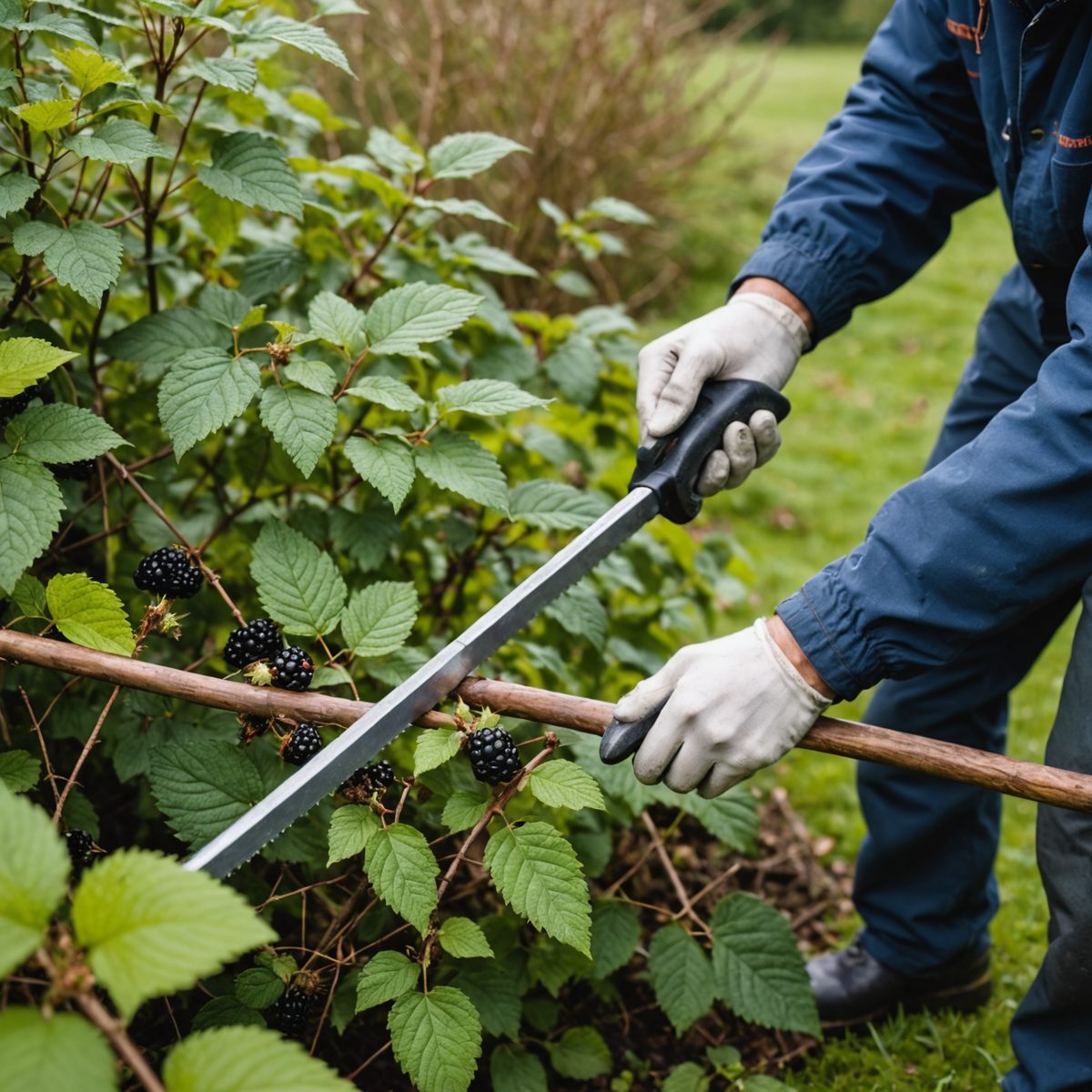
A systemic weedkiller containing glyphosate is effective because it travels through the plant to reach the roots. This deals with the underground problem that cutting alone cannot solve.
For established brambles, cut the stems back first and allow regrowth to appear. Fresh, actively growing leaves absorb the weedkiller more effectively than old, tough foliage. Once there is a good amount of new leaf growth, spray thoroughly. Expect to need a second application the following year to kill the brambles permanently. For particularly stubborn or extensive patches, you may need the strongest weedkiller available.
Method 3: Digging Out
Physical removal works if you are thorough and have the patience for it. This is the best option if you want to avoid chemicals entirely, or if the brambles are growing close to plants you want to keep (hand weeding lets you be selective).
Cut all the stems back to about 30cm from the ground first. This makes the area manageable and gives you something to grip when pulling. Then dig out the root system, following each root and removing as much as possible.
The challenge is that brambles regenerate from root fragments. Any piece of root left in the ground can produce new growth. Check the area regularly over the following months and remove any new shoots immediately. This exhausts any remaining root pieces over time.
Method 4: Smothering
For those avoiding chemicals, smothering can work but requires patience. Cut everything back to ground level, then cover the area with heavy-duty weed membrane or old carpet, weighted down securely. The covering must be complete. Brambles will find any gap.
Leave in place for at least two growing seasons. Even then, some root pieces may survive, so monitor the area and remove any new growth promptly. A thick layer of mulch after removing the covering helps suppress any remaining seeds in the soil.
Best Bramble Killer Products UK
Not all weed killers work equally well on brambles. Their woody stems and deep roots need specific active ingredients. Here is what actually works.

Triclopyr vs Glyphosate for Brambles
Triclopyr (found in SBK Brushwood Killer) is a selective herbicide that targets broadleaved and woody plants. It is particularly effective on brambles because it penetrates woody tissue more readily than glyphosate. Best used as a cut-and-paint treatment on freshly cut stumps.
Glyphosate (found in Roundup and many others) is a broad-spectrum systemic herbicide. It works on brambles but takes longer to show results on woody growth. Best used as a foliar spray on fresh regrowth after cutting back.
For most bramble problems, triclopyr applied to cut stumps gives faster and more reliable results than spraying glyphosate on leaves.
Recommended Products
How to Kill Bramble Roots
The roots are the reason brambles keep coming back. Even if you clear every visible stem, the underground root system can regenerate the entire plant from fragments left behind.

How Deep Do Bramble Roots Go?
Bramble roots typically extend 45cm to over 1 metre deep in established plants. The main root crown sits just below the surface, but feeder roots spread both laterally and downward. In loose or sandy soils, roots can penetrate even deeper.
Killing the Root Crown
The root crown is the thickened area just below ground level where the stems meet the root system. This is the control centre of the plant. Destroying it is the single most effective thing you can do.
Chemical method: Cut stems low and apply undiluted triclopyr or glyphosate directly to the root crown. The herbicide is absorbed and distributed throughout the root system.
Physical method: Dig down around the root crown and lever it out completely. Follow any thick roots radiating outward and remove those too. Even small fragments (2-3cm) can regenerate, so be thorough.
Signs the Roots Are Still Alive
After treatment, watch for these signs over the following 6-8 weeks:
- New shoots appearing near the original plant or nearby in the soil
- Green tissue visible when you scratch the bark of remaining stumps
- Suckers popping up in the lawn or borders around the treated area
If you see any of these, apply a follow-up treatment. Most bramble infestations need two treatments to fully kill the root system.
When to Kill Brambles: Best Time of Year
Timing your treatment correctly can be the difference between one application and three.

Best time: September to November. In autumn, brambles naturally move sugars from the leaves down to the roots for winter storage. When you apply a systemic herbicide during this period, the plant’s own transport system carries the weedkiller deep into the root network. This is the most efficient time for both cut-and-paint and spray methods.
Second best: April to May. During spring, brambles are in active growth and producing lots of new leaf tissue. Fresh growth absorbs herbicides effectively. The downside is that energy is flowing upward at this time, so less herbicide reaches the deepest roots compared to autumn.
Avoid: December to February. Brambles are semi-dormant in winter. Their transport systems are largely shut down, meaning systemic herbicides cannot travel effectively to the roots. You can still cut brambles back in winter to prepare for spring treatment, but do not waste herbicide on dormant plants.
Digging can be done at any time of year, but is easiest in late autumn or winter when the ground is softer and there is less top growth to deal with.
How to Stop Brambles Coming Back
Killing the existing brambles is only half the battle. Without prevention measures, new plants will establish from seeds dropped by birds or from root fragments you missed.

Root Barriers
If brambles are coming from a neighbouring property, a buried root barrier is the most reliable solution. Use HDPE (high-density polyethylene) barrier material, buried at least 60cm deep along the boundary. This stops underground roots from crossing into your garden. The barrier should extend a few centimetres above soil level to prevent tip-layering canes from rooting over the top.
Regular Monitoring
Check previously cleared areas every 2-3 weeks during the growing season (April to October). New bramble seedlings are easy to pull out when small, but become progressively harder to remove as they establish root systems. Catch them early and removal takes seconds. Leave them six months and you are back to square one.
Mulching
A 10-15cm layer of bark mulch over cleared ground suppresses bramble seed germination and makes any new growth easier to spot and pull. Replenish annually as the mulch breaks down.
Neighbour’s Brambles: Your Rights
Under UK law, you have the right to cut back any growth (including bramble canes and roots) that crosses your boundary. You should offer the cut material back to your neighbour, though in practice most people dispose of it themselves. You cannot enter your neighbour’s property to treat or remove the source plant without their permission. If the problem is persistent, a root barrier along the boundary is your best practical option.
Natural and DIY Bramble Killers
If you prefer to avoid chemical herbicides, several household methods can help. Be honest about expectations though. None of these will match the effectiveness of triclopyr or glyphosate on established brambles.

Vinegar
Standard household vinegar (5% acetic acid) will burn bramble leaves on contact but does not kill the roots. The foliage browns and dies back, but the plant regrows from the root system within weeks. Horticultural vinegar (20% acetic acid) is stronger and can damage stems, but still cannot reach the deep root system. It is a contact killer, not a systemic one.
Salt
Salt can kill brambles if applied in high enough concentrations, but it also sterilises the soil. Nothing else will grow in heavily salted ground for months or even years. Only consider this for areas where you do not want any plants to grow (paths, gravel areas).
Boiling Water
Pouring boiling water on bramble stumps damages surface tissue but the heat dissipates quickly in soil and cannot reach roots at depth. It may weaken small, young plants but will not kill established brambles.
Bleach
Bleach damages bramble foliage on contact but breaks down rapidly in soil and has no systemic action. It also harms soil organisms and is not recommended as a weed treatment.
Jeyes Fluid
Jeyes Fluid is sometimes suggested for brambles but is not designed as a herbicide. It can damage foliage but has no reliable effect on root systems. Its manufacturer does not recommend it for weed control.
Smothering
The most effective chemical-free method. Cut everything to ground level, cover with heavy-duty weed membrane or old carpet weighted down with bricks or soil. Leave for a minimum of two full growing seasons. This starves the root system of light and eventually exhausts it. Combine with a thick mulch layer afterwards to suppress any remaining seeds.
Similar Woody Weeds
Brambles share their stubborn nature with other woody invaders. Ivy, raspberry bushes, and Russian vine also combine vigorous above-ground growth with persistent root systems, requiring similar combined approaches for control. If you are tackling a neglected overgrown garden, brambles are often the first challenge to address.
Should You Remove Brambles Completely?
Before declaring war, consider whether you want the brambles gone entirely. They are valuable for wildlife. The flowers provide nectar for bees and butterflies from May to September, and the blackberries feed birds and mammals through autumn. Dense bramble thickets offer excellent nesting habitat for birds.
If you have space, keeping brambles in a wilder corner of the garden can benefit wildlife while you control them elsewhere. The key is preventing spread by regularly cutting back any stems that arch toward areas you want to keep clear.
Frequently Asked Questions
What is the best weed killer for brambles?
Triclopyr-based products like Vitax SBK Brushwood Killer are the most effective. Triclopyr targets woody and broadleaved plants specifically, making it more effective on brambles than general-purpose glyphosate. Apply it undiluted to freshly cut stumps using the cut-and-paint method for best results.
What kills brambles permanently?
The cut-and-paint method using triclopyr is the most reliable way to kill brambles permanently. Cut stems to 10-15cm, then paint undiluted triclopyr on the fresh cut within 10 minutes. The herbicide travels down to kill the entire root system. You may need a follow-up treatment 6-8 weeks later for complete kill. Learn more about killing weeds permanently.
Does Roundup kill brambles?
Yes, Roundup (glyphosate) does kill brambles, but it is slower than triclopyr on woody growth. For best results with Roundup, cut brambles back first, wait for fresh regrowth to appear (usually 4-6 weeks), then spray the new leaves thoroughly. Expect to need at least two applications over two seasons for complete control.
How do you stop brambles from coming back?
Combine thorough root removal or chemical treatment with prevention. Install a root barrier (60cm deep) along boundaries where brambles might spread from neighbouring land. Mulch cleared areas with 10-15cm of bark mulch. Monitor every 2-3 weeks during the growing season and remove any new seedlings immediately while they are small.
Will brambles grow back after cutting?
Yes. Cutting alone will not kill brambles and often makes them worse. The root system responds to losing top growth by sending up more suckers. You need to deal with the roots through either chemical treatment (triclopyr or glyphosate), complete physical removal, or long-term smothering.
Can I kill brambles in winter?
Winter is not ideal for chemical treatment because brambles are semi-dormant and their internal transport systems are largely shut down. Systemic herbicides cannot reach the roots effectively. However, winter is a good time to cut brambles back and dig out root crowns in preparation for chemical treatment in spring or autumn.
Does bleach kill brambles?
Bleach damages bramble leaves on contact but has no systemic action. It cannot travel to the roots, so the plant will regrow. Bleach also harms beneficial soil organisms and is not recommended as a weed control method. Use a proper systemic herbicide like triclopyr or glyphosate instead.
How deep do bramble roots go?
Established bramble roots typically extend 45cm to over 1 metre deep. The main root crown sits just below the soil surface, but feeder roots spread both laterally and downward. In loose or sandy soils, roots can penetrate even deeper. This is why surface treatments alone rarely kill brambles permanently.
Is it illegal to let brambles grow into a neighbour’s garden?
There is no specific law against brambles growing across boundaries, but persistent encroachment could become a nuisance issue. You have the right to cut back any bramble growth (stems and roots) that crosses into your property. You should offer the cut material back to your neighbour. You cannot enter their property to treat the source plant without permission.
How long does it take for brambles to die after treatment?
After cut-and-paint treatment with triclopyr, you should see visible wilting within 2-3 weeks. Full root death typically takes 6-8 weeks. After spraying with glyphosate, leaves yellow within 1-2 weeks but complete root death can take 3-4 months. Check for regrowth after 8 weeks and apply a follow-up treatment if needed.
Cutting Stimulates More Growth. Digging Misses the Deep Roots.
A systemic weedkiller follows the plant’s own pathways down to the roots you can not reach.

i have a garden project which was covered in bramble bushs up to 5 feet tall i have cut all down ,they are now coming through ,i want to turf the whole are about 40 ft x 36 ft.
i i use triplocyr all over that area,after getting as many roots as possible out,how long will i have to wait before laying a lawn down.
also for that area how much would i needof the triplocyr?.
many thanks ashley
Try SBK brushwood, it won’t kill grass but will kill the brambles
Hi, does anyone have any suggestions for removing brambles growing within an established Hawthorn hedge? Digging them out would be virtually impossible so a weed killer would work best, but avoiding getting the weed killer on the hawthorn would be difficult.
Sounds like a tough job, you can apply weed killer accurately to the bramble foliage using a fine brush but if you have a lot of Brambles then it is likely going to be a very time consuming task
I have cleared brambles and nettles from the ditch at the bottom of the garden. Although I managed to pull up some roots the tougher ones are left. I dont plan to replant in the ditch. Which chemical is the best to use. We do now farmers if the best are only available to them.
Great job Sarah, if you have bare soil weeds will grow, sadly there is nothing that will stop nature permanently, my advice is to put down a weed barrier then cover the area in bark or stones. Alternatively you can “mulch” cover the area in cardboard and put some stones or bark down on top, make it at least 3-5 inches deep and it will stop almost anything growing there even brambles. Hope this helps.
I bought place which back garden was over grown with brambles wrapped around other plants 3 years got someone dig out stump blackberry bush been growing all direction which is nightmare. Last year from April until end October been putting weed killer strong one glyphosate tough spray and gel wearing thick rubber gloves making sure weed killer not on my hands looked at stems today gradually died top half gone white lower down brown dead but further down still alive green . So will be cutting off dead further down continue putting weed killer on bramble all through until end October and check by next April rest bramble be dead hopefully get some one dig out roots . Want to re plant put bush by end next summer more plants in its place lost another bush while trying to get rid bramble . Where roots of bramble come through where old greenhouse was may decide to get someone to put bit artificial grass laid over it i’m on low budget think concrete or paving stones would cost lot more plus get someone in to do it.
I have brambles between two fences back to back. If I sprayed between them would it kill plants either side of the fences too?
If you spray a plant it will die
By using tricolour will it effect other plants around brambles
Yes it can
I have waste land belonging to seven valley railway behind my fence. The brambles and nettles have brought my fence down twice and affects whatever I plant. Can I make the railway clear the area? I am 63 years old and am overwhelmed by this persistent problem!
You can try but probably best taking care of the problem on your own